



Laney Berry – The St Christopher’s School Lockdown

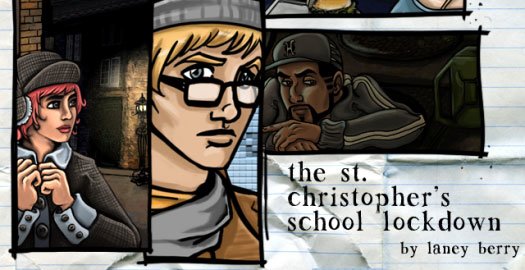
As well as offering high-profile developers from the past the chance to return to their beloved genre, Kickstarter is also an opportunity for lesser-known up-and-coming indie developers to share their visions with the world. The St. Christopher’s School Lockdown is one such project that’s so promising that we simply needed to learn more about the game and its ambitious creator. With her in-depth, insightful answers, 27-year-old Laney Berry tells us all there is to know about her brainchild and its refreshingly unusual attempt to tell an interactive character drama inspired by true political events. If you’re anything like us (and many of you obviously are), we suspect you’ll be heading straight to the game’s Kickstarter page after reading this interview to support an adventure with so much obvious potential.
[b]Ingmar Böke[/b]: Hi Laney, it’s a real pleasure to welcome you here at Adventure Gamers. Please introduce yourself, and share some of your personal background, including how you got into the game industry.
[b]Laney Berry[/b]: This is practically the most exciting thing that’s ever happened to me, so thank YOU for having me here. My name is Laney Berry, as you might have gathered, and I’m basically from just about all over the place. I was born in New Zealand to a Chilean mother and a British father, but I would say that if I had to claim any one nationality, it would be English (as in steak-and-kidney pudding). I graduated with a Bachelor’s degree in Visual Communications from the Savannah College of Art and Design, but despite the broad focus of my artistic education, I came to the realization that my passion was, and always would be, gaming. Although I hesitate to say I’m “officially” part of the industry just yet, I am certainly attempting to throw myself into it now!
[b]Ingmar[/b]: Since not everyone may know about your seven-part episodic adventure yet, please give us an idea of the concept behind The St. Christopher’s School Lockdown.
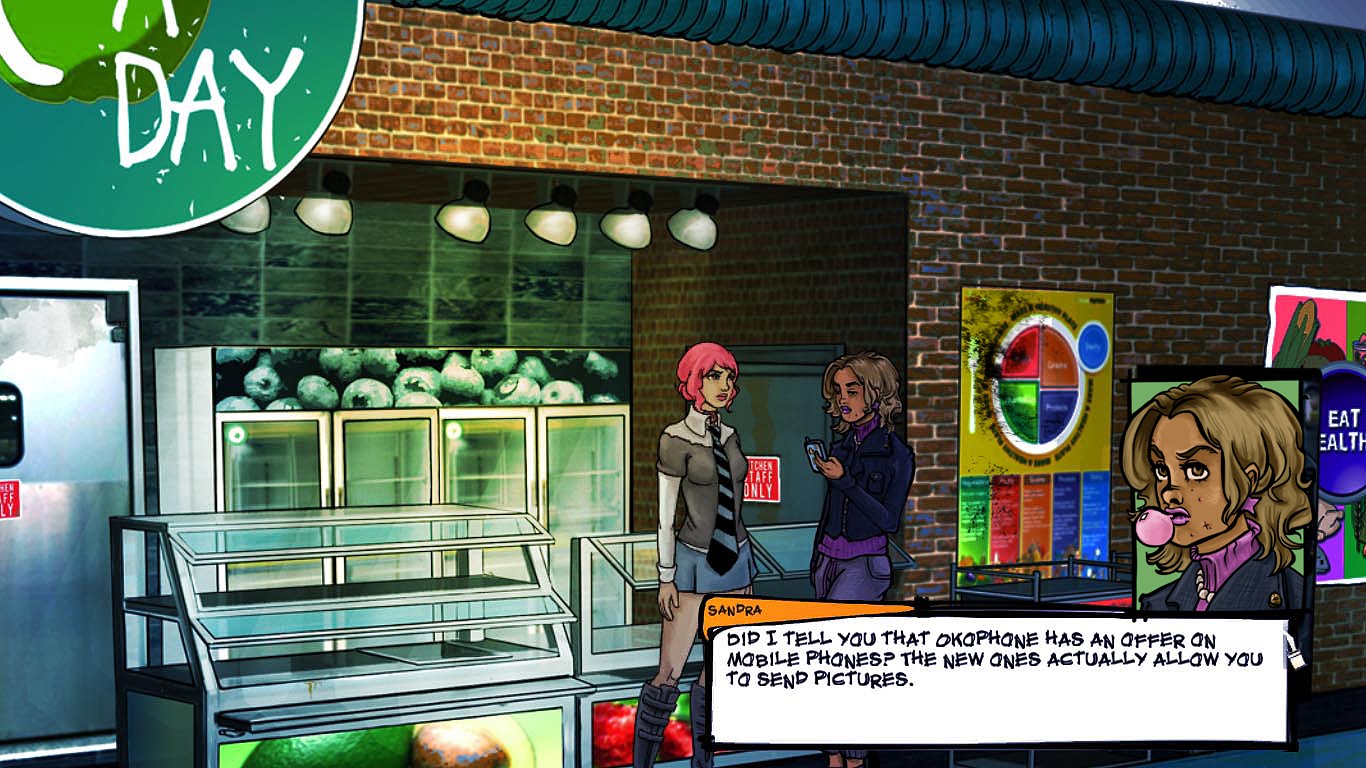
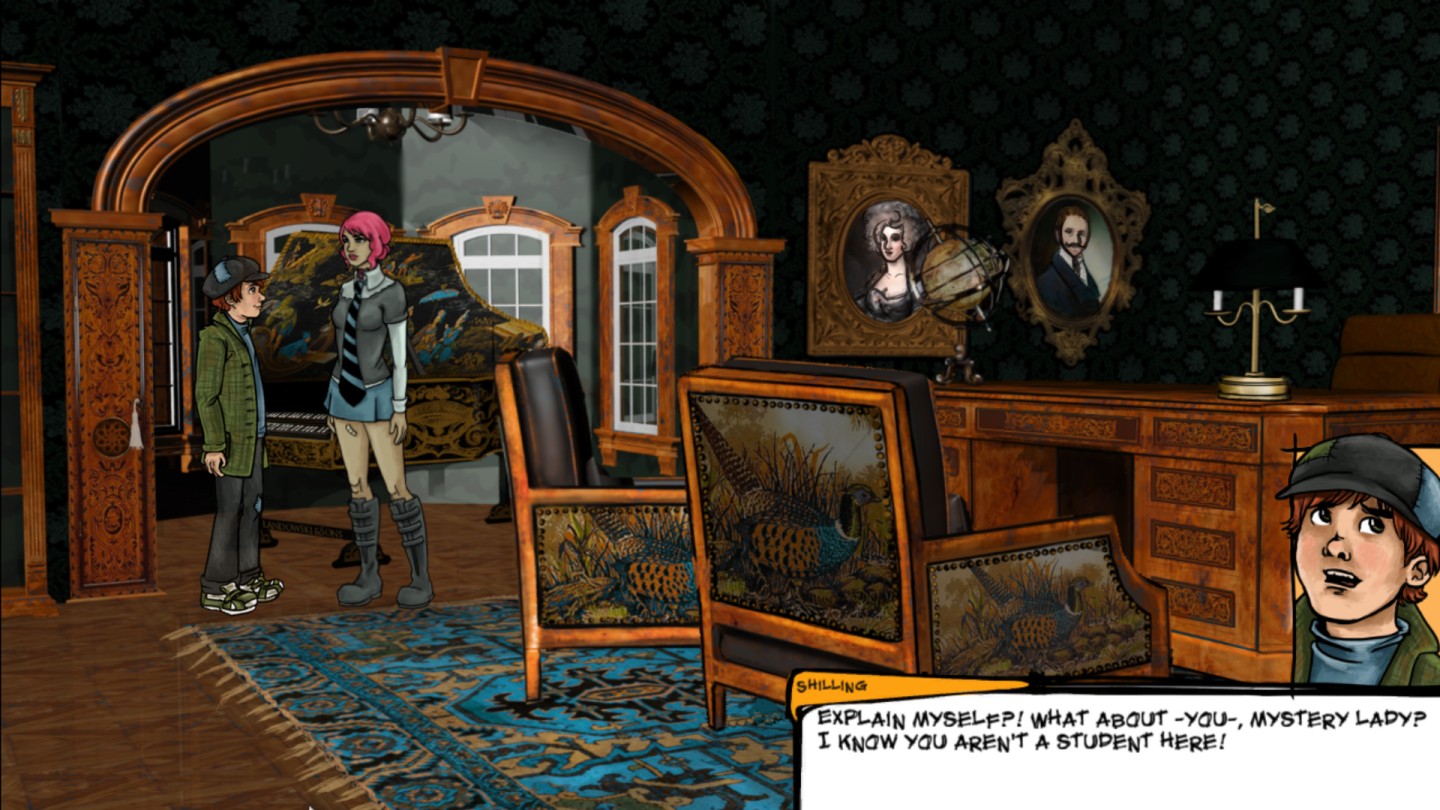
[b]Laney[/b]: In a few lines, The St. Christopher’s School Lockdown is the story of a large group of teenagers, trapped in a school as a result of a political protest which gets out of hand, seen from the perspective of six different characters. In terms of game mechanics, it’s a point-and-click third-person adventure game. The human universe is comprised of 273 students from an exclusive private school, plus some outsiders of interest (three of our playable characters are not actually St. Christopher’s pupils). As the game progresses, these numbers begin to dwindle due to defection, and towards the end, there are less than a hundred students left within the school. You will get to know most of them, if only in passing. Political conflict takes place within a human scale, hopefully made meaningful by the player’s investment into the characters’ (playable or non-playable) lives.
The material universe is restricted to the school (there are a few exceptions, but the game is mainly played within these boundaries). The takeover starts as an expression of an organized and constructive will, but soon it becomes a bit of a wild party – these are teenagers, after all! The police, who keep their distance at the beginning, begin to respond to some violent attacks by making the living conditions harder and harder for the protesters, until they are virtually intolerable. Privileged kids, who have never missed a meal (except when on a juice detox), all of a sudden have to go for three weeks without beds, a change of clothes, food, electricity, water…
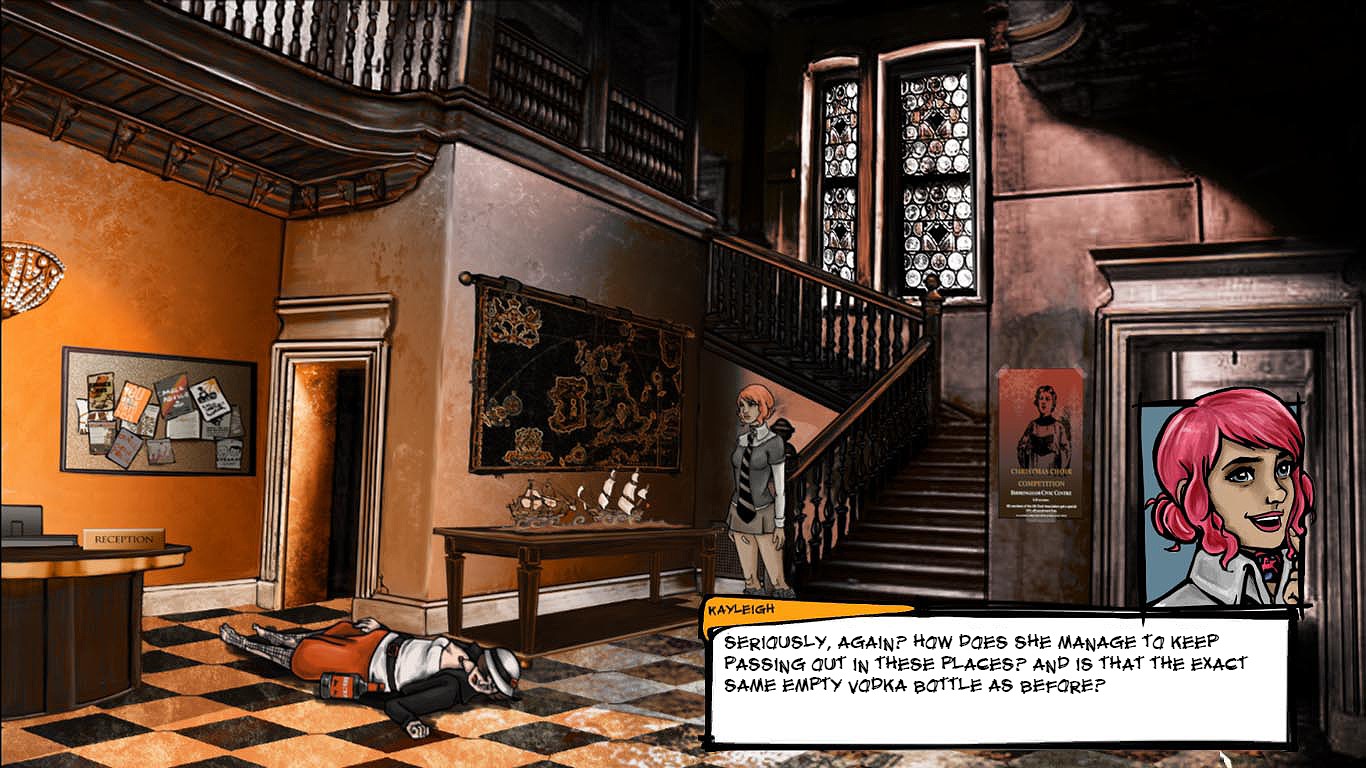
But this game is not the micro-management of a revolution. As a player, you will progress through each episode as a different character, until the last chapter, where you will select one of the six different roles you will play to make it through the emotionally-charged events at the end. You play it from the perspective of trying to help that character to find the answer to his or her uncertainties and to provide them with a safe return to their previous life, as emotionally unharmed as possible.
The St. Christopher’s School Lockdown trailer
[b]Ingmar[/b]: This game has a very strong connection to real-life events, so please tell us about the circumstances in Chile and the UK that inspired you.
[b]Laney[/b]: I was living in Santiago, Chile when the initial wave of protests began in 2006. For those who aren’t familiar, the riots started for a rather trivial reason: the government had taken away the free travel passes students used to enjoy, but at the core was a deep dissatisfaction with the chronically under-budgeted fiscal education. All manner of protests began taking place across Chile, from rallies and marches to full-on school lock-ins, which could last for days or even weeks. Now, I found the entire concept incredibly appealing in terms of its narrative potential, particularly since those making the biggest political effort in many of these instances were kids no older than fifteen or sixteen years old. Imagine a massive amount of teenagers with an entire school building to themselves, being put under heavy scrutiny by the media, the government, and the police – it was a story I just had to write.
I always envisioned shifting the setting over to the UK, due to the fact that this is where I spent most of my teenage years, and I knew I would be able to write it much more believably. So it was just sheer dumb luck (for the project, at least, not so much for the UK!) to discover around 2010 that events incredibly similar to those in Chile had begun occurring in Great Britain. Tuition fees skyrocketed, cuts were being made in the budget, and although this was mostly an issue for university students rather than grade schoolers and teens, it still led to a complete uprising of the nation’s youth. More riots, more lock-ins, more rallies – and more material for my game!
These events haven’t completely settled in either country, either. It continues to be a problem in Chile, to the point where several of the student “leaders” from the protests in 2006 are now household names who continue to fight for the cause, and it is still a hot topic in the UK as well. As such, I knew that if I was ever going to make this game, I had to start now, while it was still fresh and relevant.
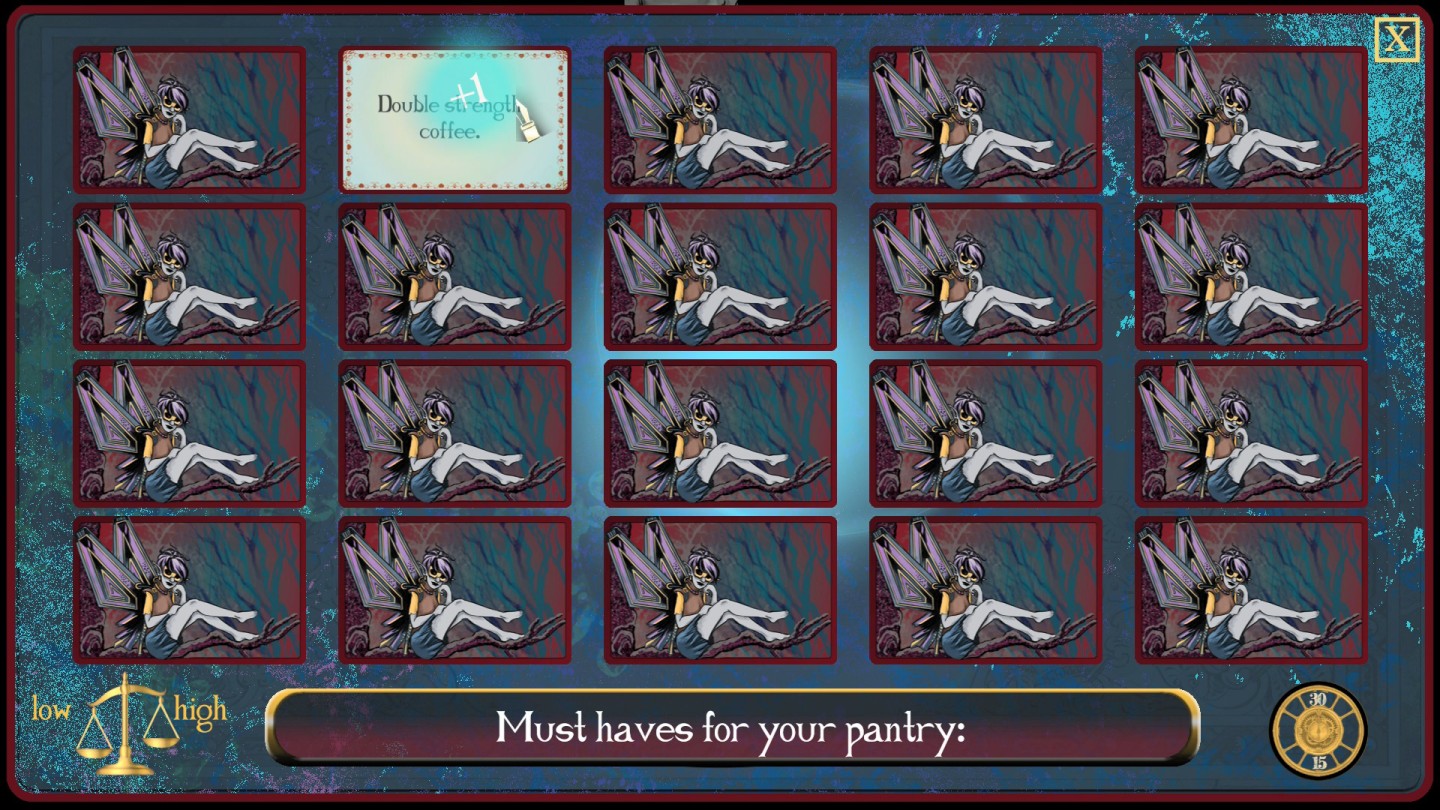
[b]Ingmar[/b]: Obviously we’re talking about a very unusual project here, where characterization is a crucial element of the experience. How will we be able to explore these characters, and to what extent can players decide how the relationships between characters develop?
[b]Laney[/b]: Something I really enjoyed in Heavy Rain was exploring the narrative from different perspectives. I think that while this can break the immersion and total identification with the playable character, it allows a level of engagement which is very interesting as an experience. For example, if Jayden was always an external character, in opposition to Ethan, one would come to see him as an antagonist to be defeated, which is a simplification of the way human relationships are. To know of his personal struggles makes him much more likable, as is the case when playing from Shelby and Madison’s perspectives. We are going for a similar approach. You see the world through the character’s eyes, but you don’t know all the facts about that character. You can open his/her e-mail inbox and read the messages in it, but you will not know (unless you work really hard to connect the dots) what all of these things might mean. This is not to say that your character is going to act like they have amnesia – they’ll understand what they are looking at, but we feel that the player doesn’t need to be spoonfed information. We want to give them just enough to let them come up with their own conclusions about these characters as human beings.
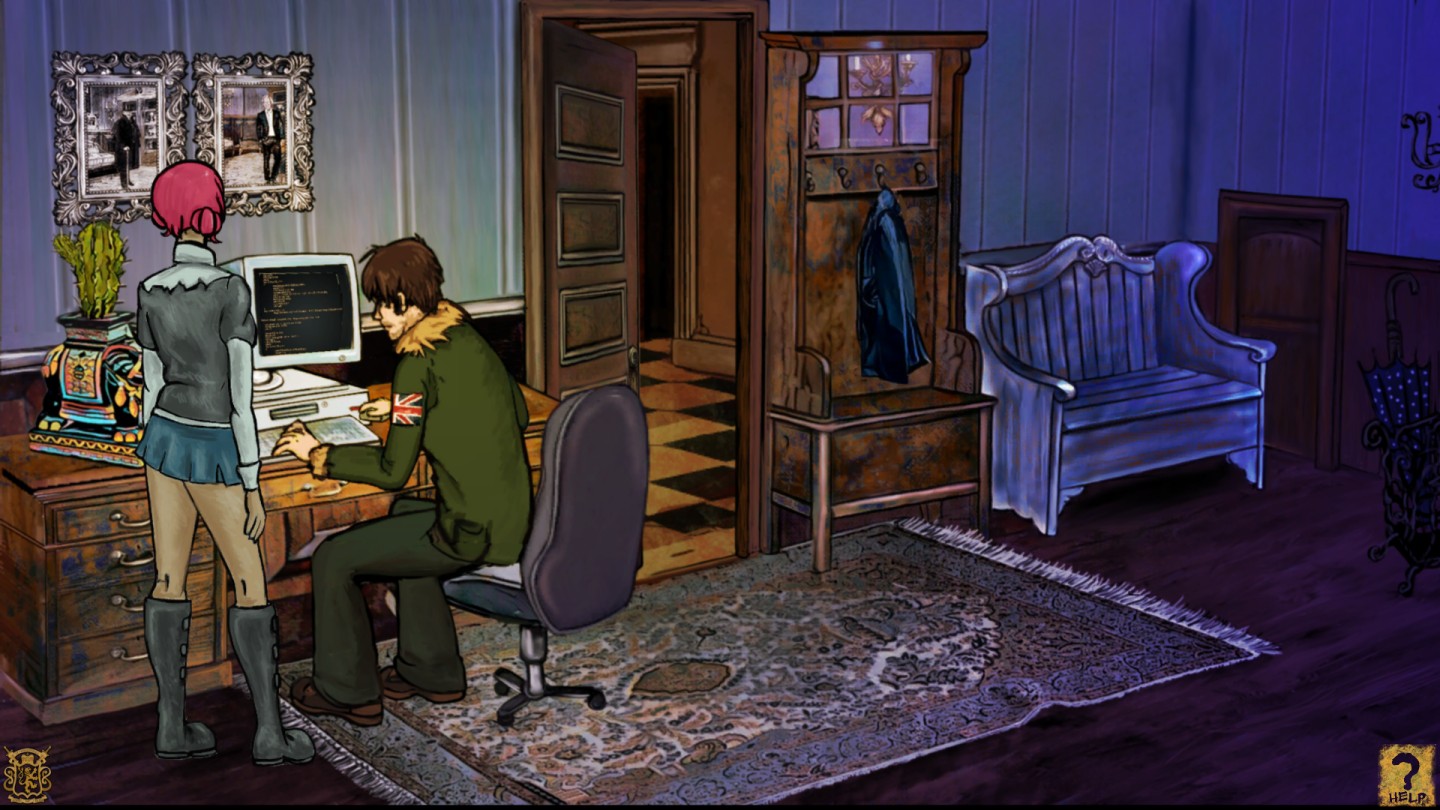
Our characters are not blank slates, ready for the player to step into their shoes and give them some inner life. We believe that it makes sense to populate our game world with people who are clearly defined in their ways and preferences, not just a couple of cute quirks. One can identify with another individual for many reasons – we all have some common experiences which unite us. We all have felt a bit (or a lot) of envy when somebody does better than us, embarrassment at the way our parents look or act, or remorse for having told a white lie. As such, we feel that what will make these characters relatable will be the fact that they ARE human, warts and all.
Player decisions will affect the human relationships on a macro and micro level. As a player in Episode Five, for example, you will gain access to sensitive information which can cause huge damage to a rather fragile character (another of the playable characters). What do you do with it? You’ll know, from having played as the previous character, what impact this will have on his life, but you also realize that morally you should make that information public. Whatever you do is going to have consequences. Because the students are fenced in by the police and there is limited contact with the outside, soon there is a huge sort of internal black market going on. So administration of resources will naturally also affect your relationships, especially if you steal someone else’s last cigarette to exchange it for a favor you need from another character!
Latest Gaming Articles
All Articles