




Adventures at E3 2014


Attending E3 for my first time, my expectations of the yearly videogame extravaganza were amply met as I was ambushed by screens of exploding color at every corner, strapped into sensory-overloading “reality” headsets at the hands of scantily-clad maidens, and scratched my head at the sight of costumed DJs dancing with Conan O’Brien underneath twenty-foot displays of digitalized Kevin Spaceys while cel-shaded zombie heads exploded in slow motion on the adjacent screen.
In such an overwhelming and fast-paced atmosphere, I found myself seriously doubting that my quest for adventure games at the expo would be equally satiated. To my surprise, however, I found more adventure games tucked away in hidden corners of the event than I imagined.
As one of the representatives of the Fract OSC display at the IndieCade showcase said to me, “Adventure games are a niche market, but a really hot niche market right now” – a statement that only gained more and more traction as I traveled further through the convention. The biggest surprise of E3 didn’t end up being the announcement of a HD remake of a particular Tim Schafer title, but simply the vast range of adventure games present at the event.
The Talos Principle
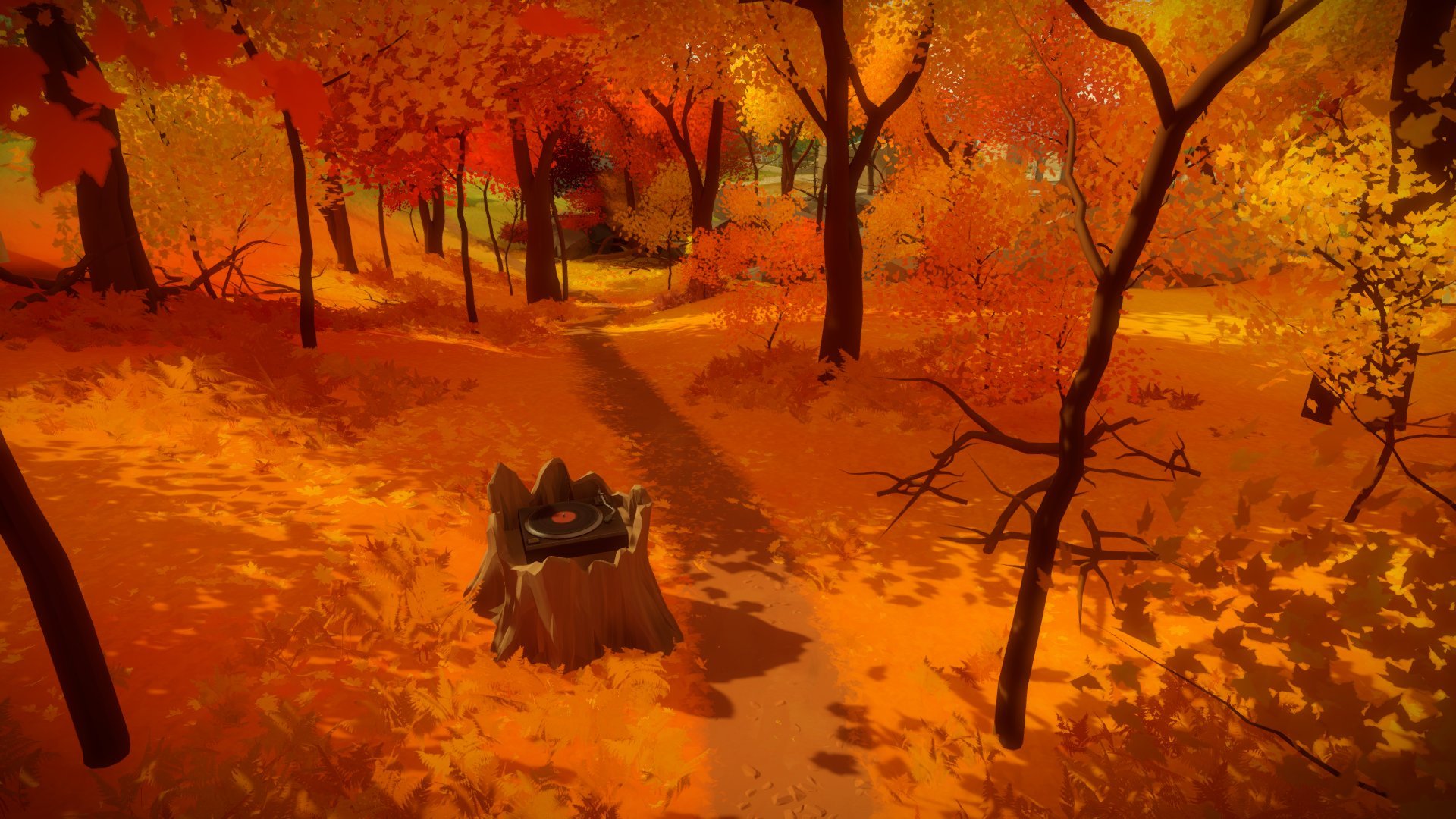
In Sony’s section of E3, I found The Talos Principle, an open-world, first-person adventure coming to the PS4 (and also PC). The playable demo began in an abandoned, crumbling ancient Roman society, contrasted with lots of cryptic, neon-sparkling, science-fiction technology. For the most part, the environment and the visual design were strikingly crisp and detailed as I walked across the lonely, uninhabited cobbled bridges and leafy, forest pathways that ultimately led to towering, locked castle doors.
The Talos Principle trailer
Each door required the use of fairly standard adventure game logic, such as a puzzle that combined Tetris and standard jigsawing, and a much more complex obstacle involving the movement of multi-colored laser projectors while avoiding the detection of security monitors through the abstract use of time-travel. To be honest, the whole laser and time-travel elements didn’t really register for me before I had to give the game up to the next player, but it certainly seemed like an intriguing mindbender. So far, The Talos Principle definitely looks to fulfill its developer’s promise of being a gameplay mix of Portal and Jonathan Blow’s The Witness. Definitely worth keeping an eye on.
Night in the Woods
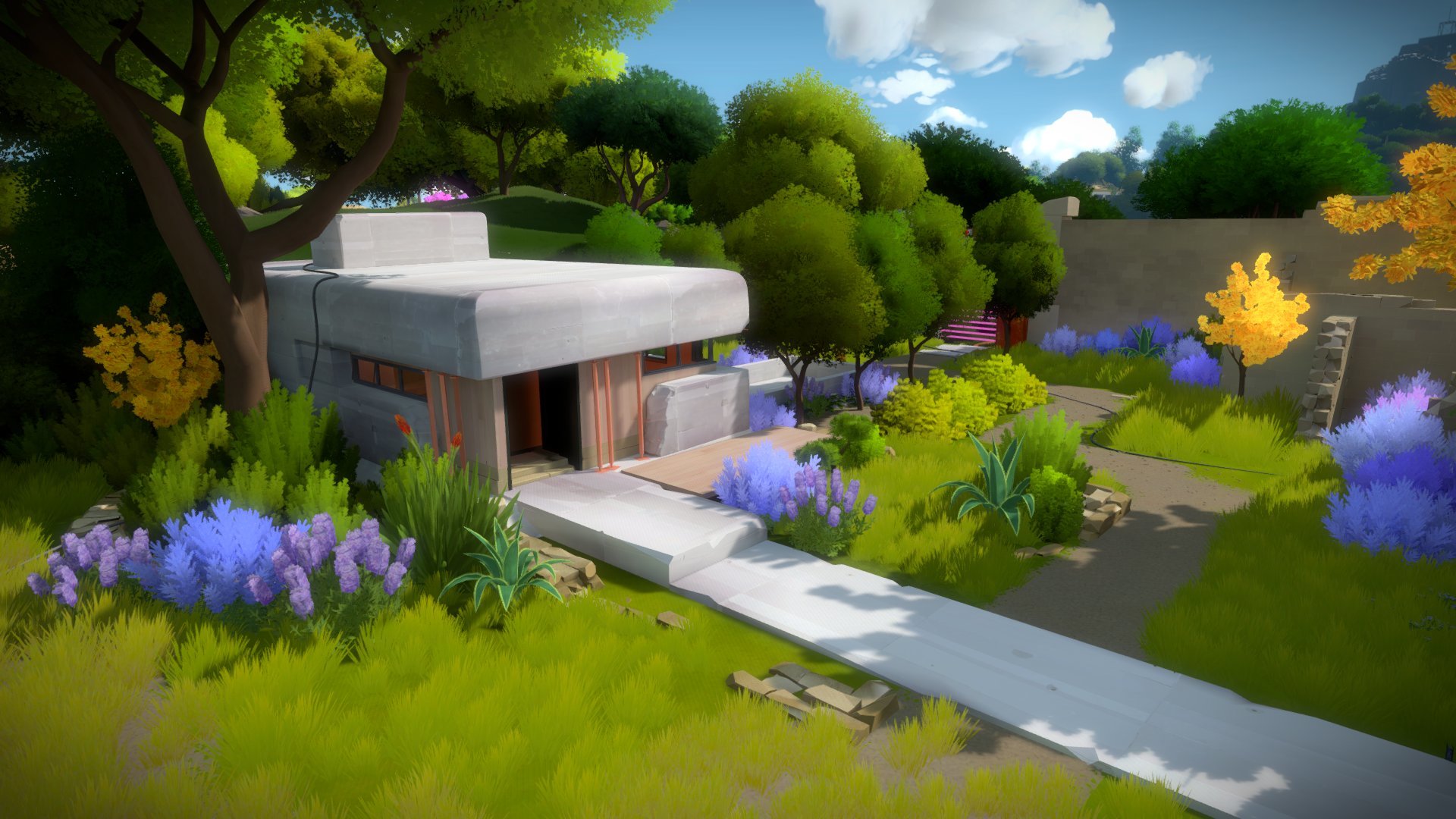
Stopping plenty of people in their tracks, Night in the Woods was one of the more popular titles in the Sony area, as I had to wait for an entire news crew to dispatch to finally get my hands on it. You may be familiar with the game’s hugely successful Kickstarter, but if not, while it looks like a children’s storybook come to life, the children’s part is ultimately inaccurate. Playing as a charmingly-designed 2D cat named Mae through largely exploration-based gameplay, you side-scroll your way through the vibrant and colorful paper cut-out neighborhoods of your old hometown, bouncing across telephone wires and running into cute, anthropomorphic former acquaintances.
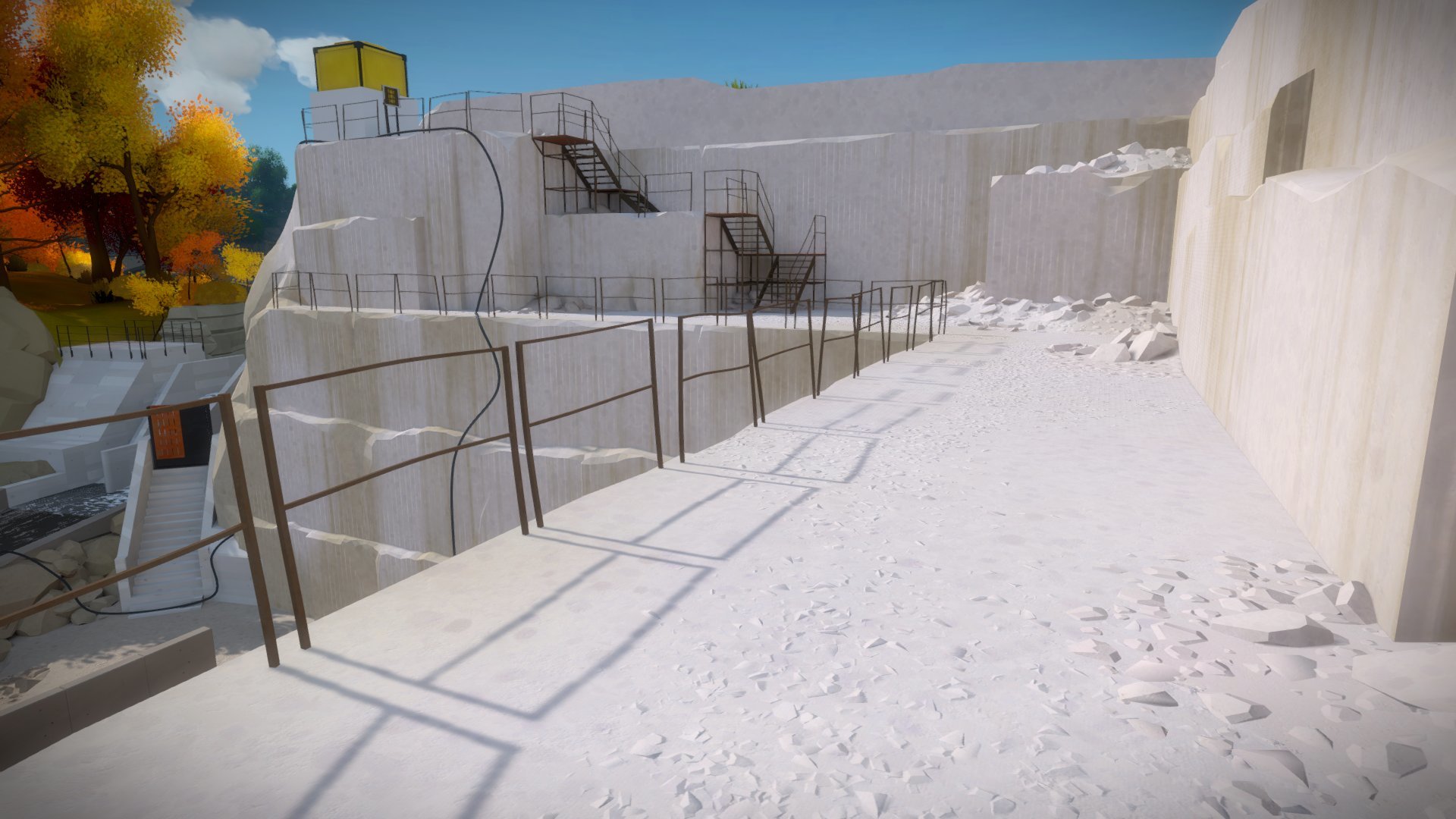
In my playthrough, Mae awakened in her bedroom and quickly stated that if she didn’t leave it soon she was “going to burn it down with me in it”. This immediately instilled the sense of Mae as a relentlessly cynical, bored-with-everything youth, further reinforced by the following dismissive conversation with her concerned mother, who insists to Mae that “it’s time to grow up.” Mae’s deadpan assertion over and over is “I’m 20” to her mother’s every qualm. Once I actually began to walk about town, I ran into an old friend, with whom the dialogue unexpectedly spiraled into a succession of indie/hipster non-sequiturs, random quips about bands they can’t help but hate, where they found their thrifty t-shirts (“Oh, this? I made this one.”), and more of Mae’s cynical take on the world around her.
Night in the Woods trailer
Night in the Woods looks like one of the most unique games created in recent memory, primarily driven by its rich character and enormous personality. The humor seems offbeat and certainly centered around contemporary indie culture, which will likely appeal to the same crowd, even though it seems to be implying a larger commentary above it all. It will definitely be interesting to see how the game ends up when it releases later this year.
XING: The Land Beyond
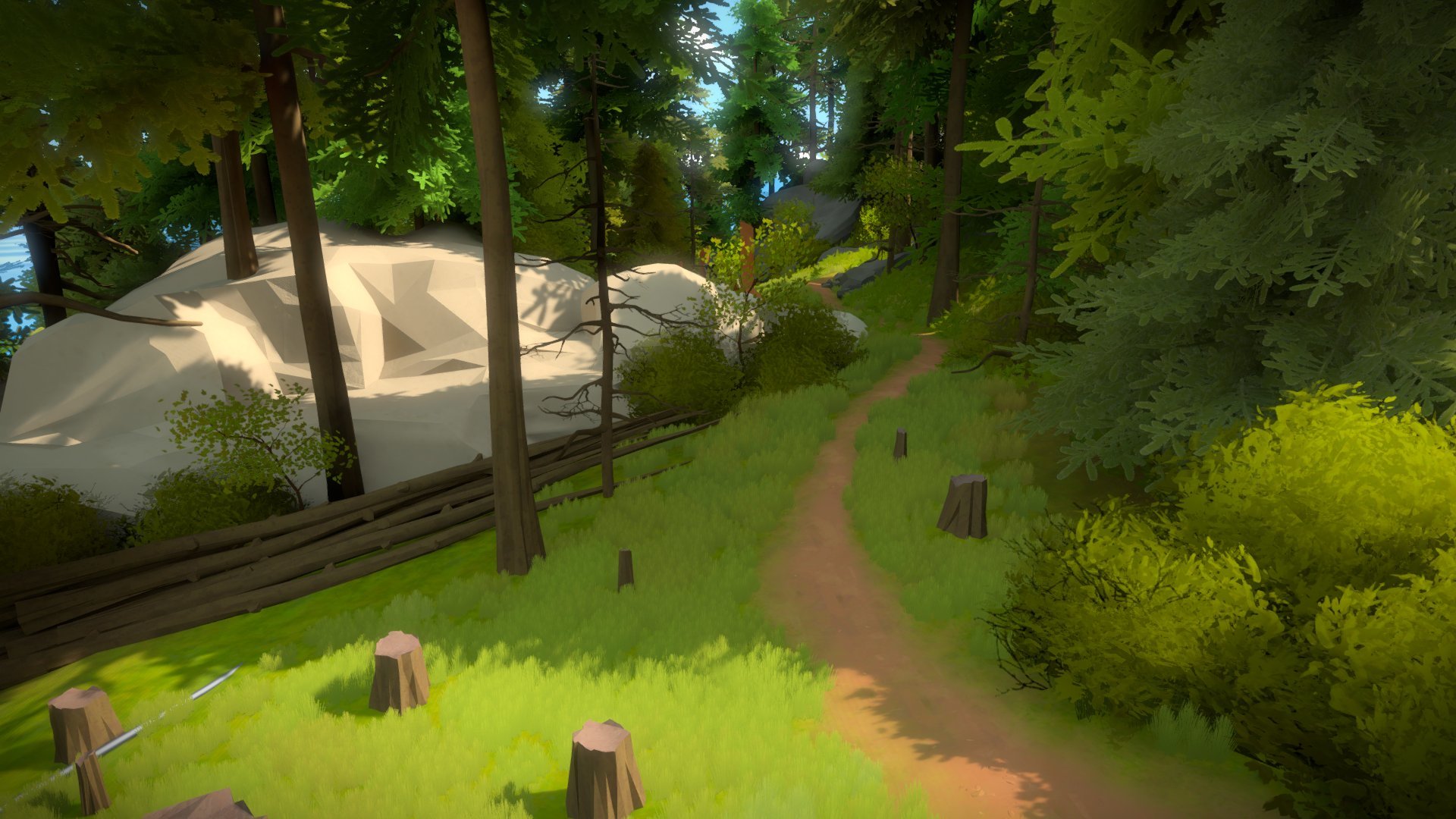
One of the most immersive adventures I experienced at E3 was XING: The Land Beyond, strapping myself up in the Oculus Rift to really sink myself into the game. A game about the afterlife, XING resembles a more interactive, involved version of Myst, as you primarily navigate immensely beautiful scenery and tropical settings while solving supernatural, environmental-based puzzles aplenty. The most striking appeal of XING was definitely its thoroughly detailed environment. This is the kind of the game that wants to take you away for a hugely atmospheric voyage – a virtual vacation of sorts.
With the Oculus and a set of headphones on, the camera moving with every tiny motion of my head, the immersion of being inside another world was immensely convincing. I found myself spinning around to the sound of streaming waterfalls and whirling bird sounds over my head as I climbed into the jungle, and it felt impossible at times to discern what was coming from inside or outside the game. I think the Oculus may have begun to trick my senses, as several times I thought I felt the wind actually blowing on my face.
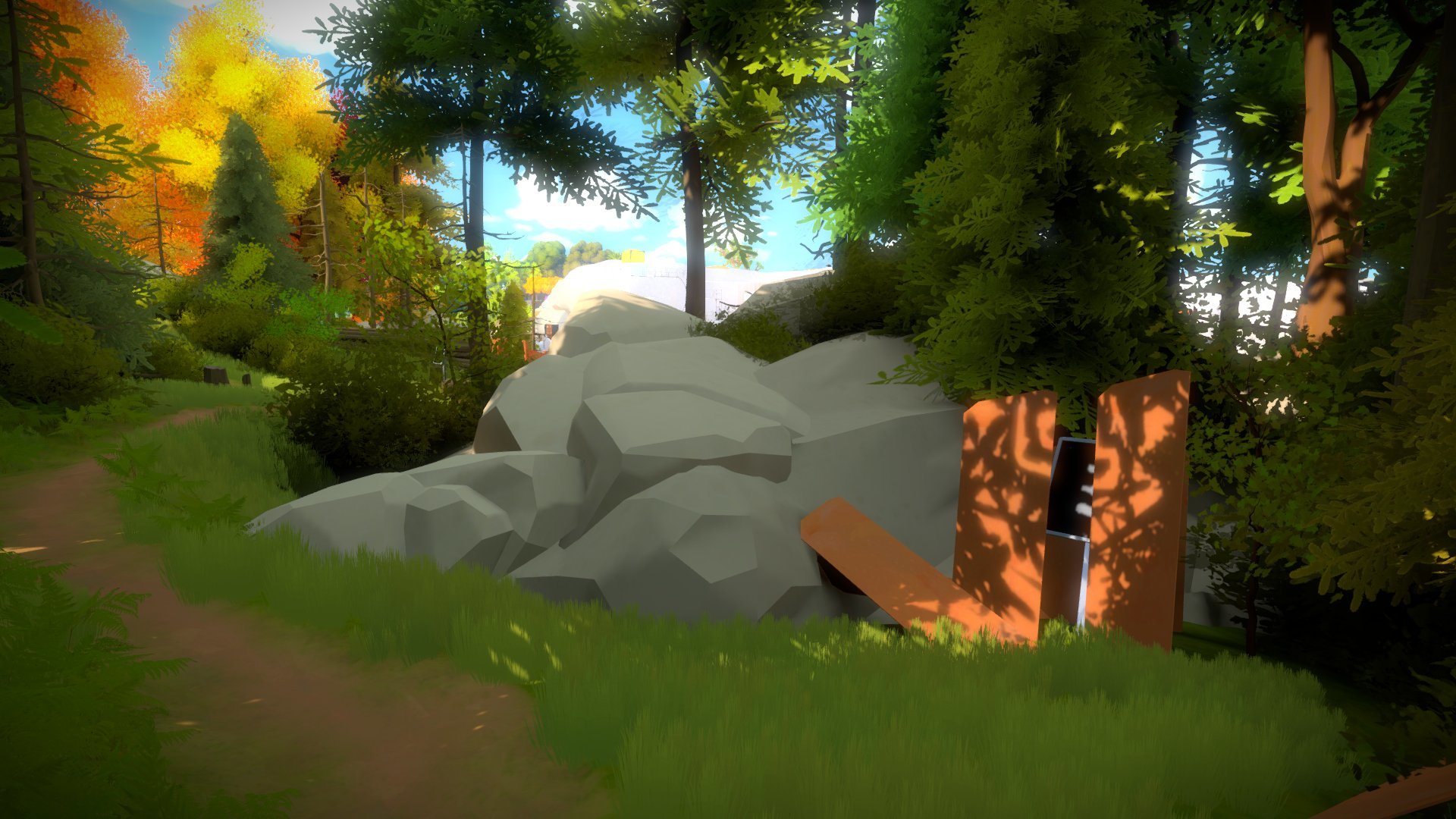
Many of the puzzles were so intuitively integrated into the organic nature of the environment that I often felt like I was really experimenting and interacting with the world around me rather than just playing a game. Early on, for example, I picked up a coconut-like fruit from the soil, sizzled it over a decorative torch under a vine-covered canopy, and tossed the flame-engulfed fruit into a wall of vines as I watched the whole obstruction burn to the ground in a crisp.
XING: The Land Beyond trailer
My favorite aspect of XING was definitely its freedom to explore. At one point I noticed a fallen tree over a river in the distance. I half expected an invisible wall to prevent me from investigating the sight, but I was able to jump right onto the tree and climb across from one side of the river to the other. It didn’t really have anything to do with the story, but the fact that the game allowed the opportunity definitely made for an enthralling experience. From everything I saw, XING has the potential to be not just another game, but an interactive portal to a truly believable other realm.

Latest Gaming Articles
All Articles