



Adventures at E3 2014


Port of Call
One of the nicer surprises of E3 was running into the small college development team Underdog Games, who had made a narrative-based, first-person adventure called Port of Call, citing their recent favorites like Gone Home as inspiration. Selected as finalists for the E3 College Game Competition, it was clear the recognition was based on their fresh vision for a highly creative premise.
Port of Call is primarily a narrative experience with character-driven challenges, relying heavily on its depth of story and immersive atmosphere above everything else. It begins on an empty boat dock, certainly not unlike the iconic opening shot of Myst. A ghostly figure appears on one end of the dock, but upon approaching him using the WASD keys, he quickly fizzles into thin air. Turn around, however, and at the once-empty dock an enormous, eerie, vacant-looking vessel is now miraculously stationed – a mystifying reveal that worked to great effect.
The vessel is where the rest of the game transpires. It’s a haunted ship, where the souls of past inhabitants are awaiting, each with a rich history. Every character I ran into provided a task for me to pursue, while slyly dropping cunning hints to the larger mystery of who and where I was, and why I was here.
Port of Call trailer
The playable demo wasn’t particularly long, as merely finding a teddy bear and delivering it to a ghostly little girl a room over brought the preview to a close. However, the premise and setting alone were enough to make the experience a memorable one. The simple idea of being isolated on a tightly confined ghost ship for the duration of an adventure, chatting away with ghosts (who display some pretty crafty dialogue) and solving pieces of a much larger mystery definitely made for an enchanting, bone-tingling time.
Neverending Nightmares
Another successfully Kickstarted adventure, the black-and-white, pen-and-ink-style Neverending Nightmares is one of the most visually striking games I saw at the entire convention. I asked creator Matt Gilgenbach if he had a background in animation but his answer was no, which surprised me because the game moves and feels like an incredibly disturbed children’s cartoon. It’s an intriguing contrast, dripping with disconcerting imagery that should be a punishable offense if actually shown to children.
As Matt explained to onlookers while I played the game at his booth, the game is largely autobiographical, an allegory for his personal battle with depression and obsessive compulsive disorder. The slightly-balding protagonist most certainly resembled Gilgenbach himself, which the designer confessed may not have been coincidental, especially considering the character was originally named Matt (but since renamed Thomas).
Identifying itself as a psychological horror, Neverending Nightmares is essentially an adventure game promoting exploration-based gameplay, with Gilgenbach citing titles like Amnesia: The Dark Descent as an influence. Although there were some minor stealth elements in my playthrough, there was no way to fail the game – screwing up these segments simply caused the protagonist to reawaken in the nearest available bedroom, which was very reminiscent of the occasionally perilous situations in Sanitarium.
After awakening in a manor roamed by twisted and demented creatures, my task was to navigate the environment safely to the distant cries of a terrified female. Through certain decisions and actions (both intentional and not), you will likely reawaken several more times and then have to re-navigate an altered living space, changed by your previous actions. This means for the most part you will be learning through trial-and-error, but it doesn’t get redundant because not only does the visual design of the environment change with every attempt, occasionally the household layout itself is rearranged.
Neverending Nightmares trailer
The puzzles themselves are a fairly logical affair. Progress through the house far enough to find an axe to break down a previously seen boarded-up door, or locate a lantern to finally crawl through the dark, scribbly-drawn basement you weren’t able to traverse before. Of course, before you can do any of this, you’ll have to hide in closets to avoid the mutant, baby-faced, bone-crushing hugging Goliaths or figure out how to react upon approaching knife-bearing, blood-splattered little girls. With such haunting imagery and a unnerving sense of gameplay, Neverending Nightmares is an adventure that surely promises to deliver exactly what its title suggests.
Source
Although far from a conventional adventure at first glance, designer Brian McRae insisted that at its core, Source (available next year on Steam and PS4) is very much an adventure game. As Brian maneuvered his evolving, firework-painted, angel-winged vessel of light through rotating dimensions of space, across beautiful, fractured, broken cube-shaped landscapes with a crystal Tron-like aesthetic, he revealed how the whole thing worked as an enormous puzzle. Turning lifeless contraptions into living, breathing organisms by merely gliding over them (similar to flower), McRae explained that the revitalization of the surroundings alters the entire environment and unveils new pathways and extends areas of further exploration.
Source trailer
Although in that sense there is definitely a strong connection with the adventure genre, I also observed a fair bit of action in some scenes as Brian dissolved creatures of gleaming light with glowing projectiles. Nevertheless, even if Source ends up being a little action-heavy down the line, the title still looks to be a remarkable experience that many adventurers will likely find enjoyable.
The Witness
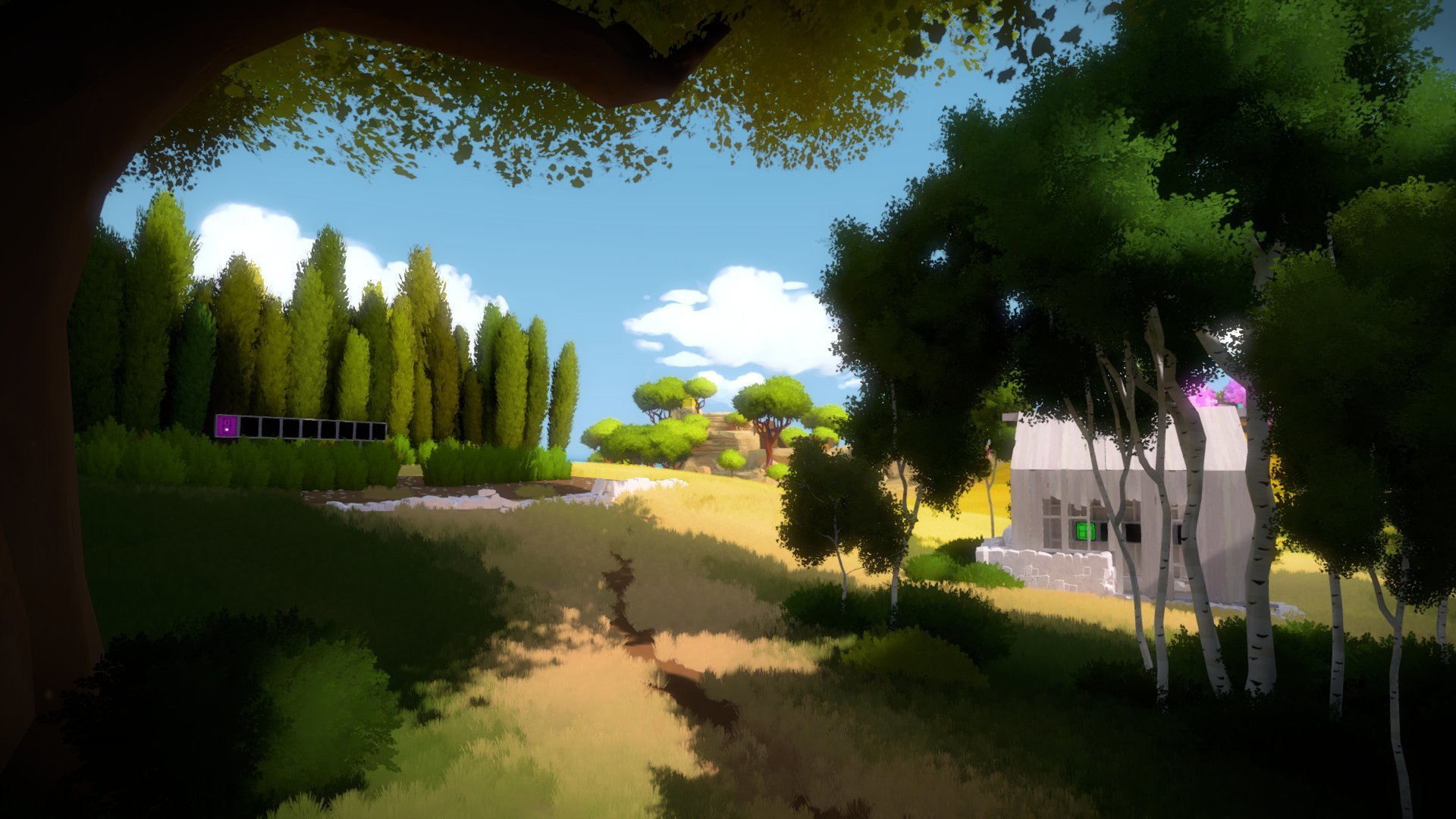
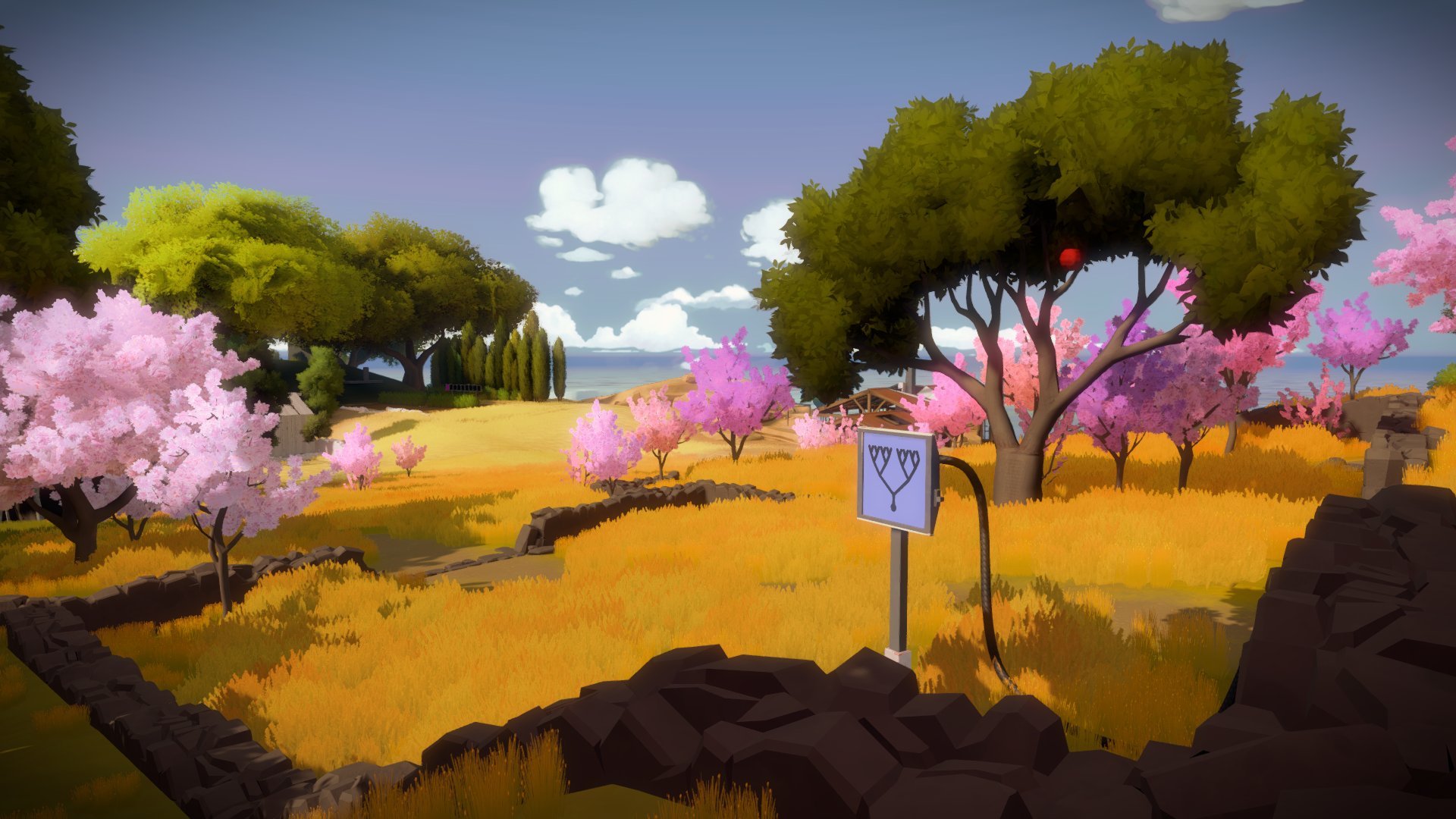
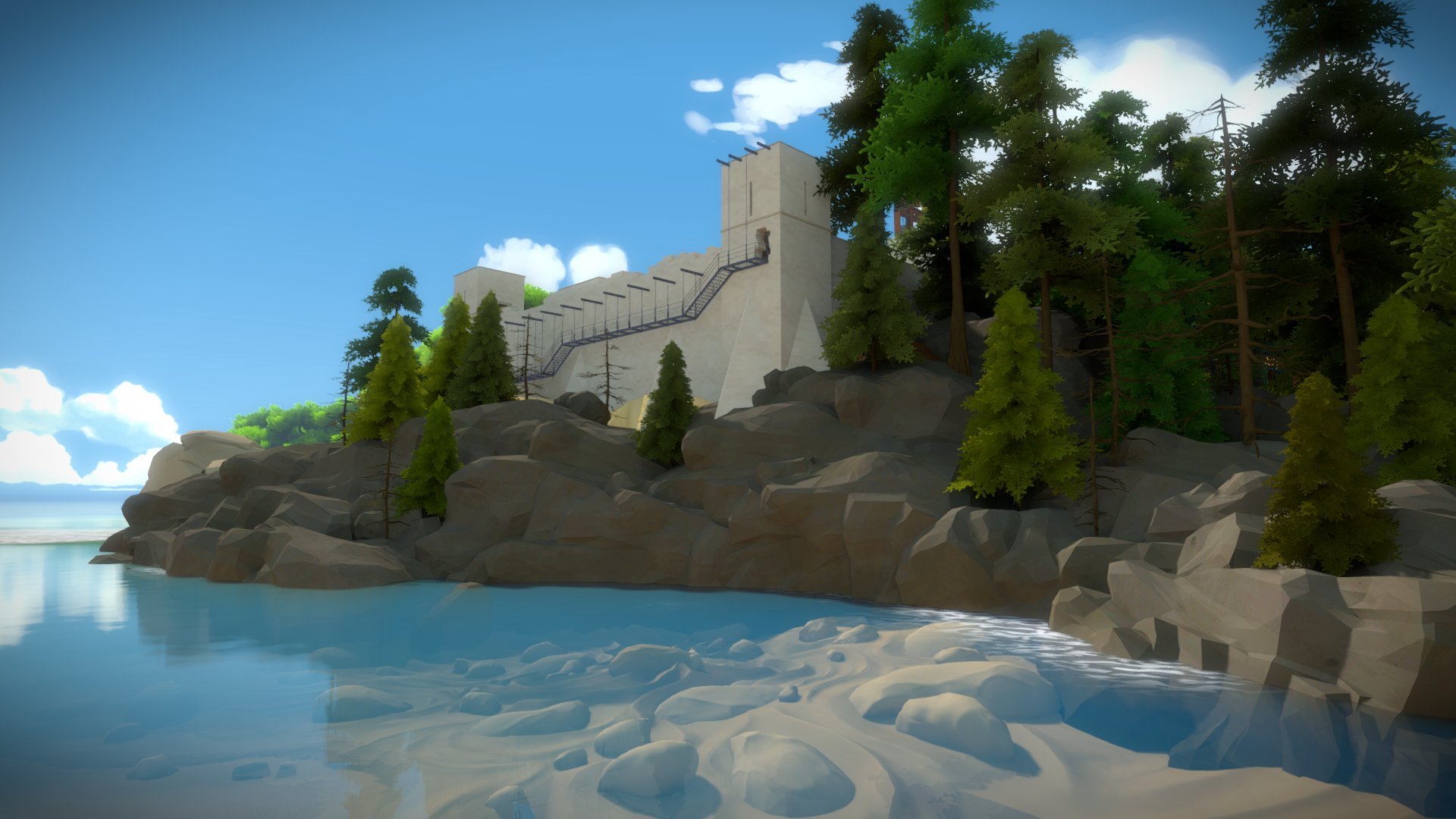
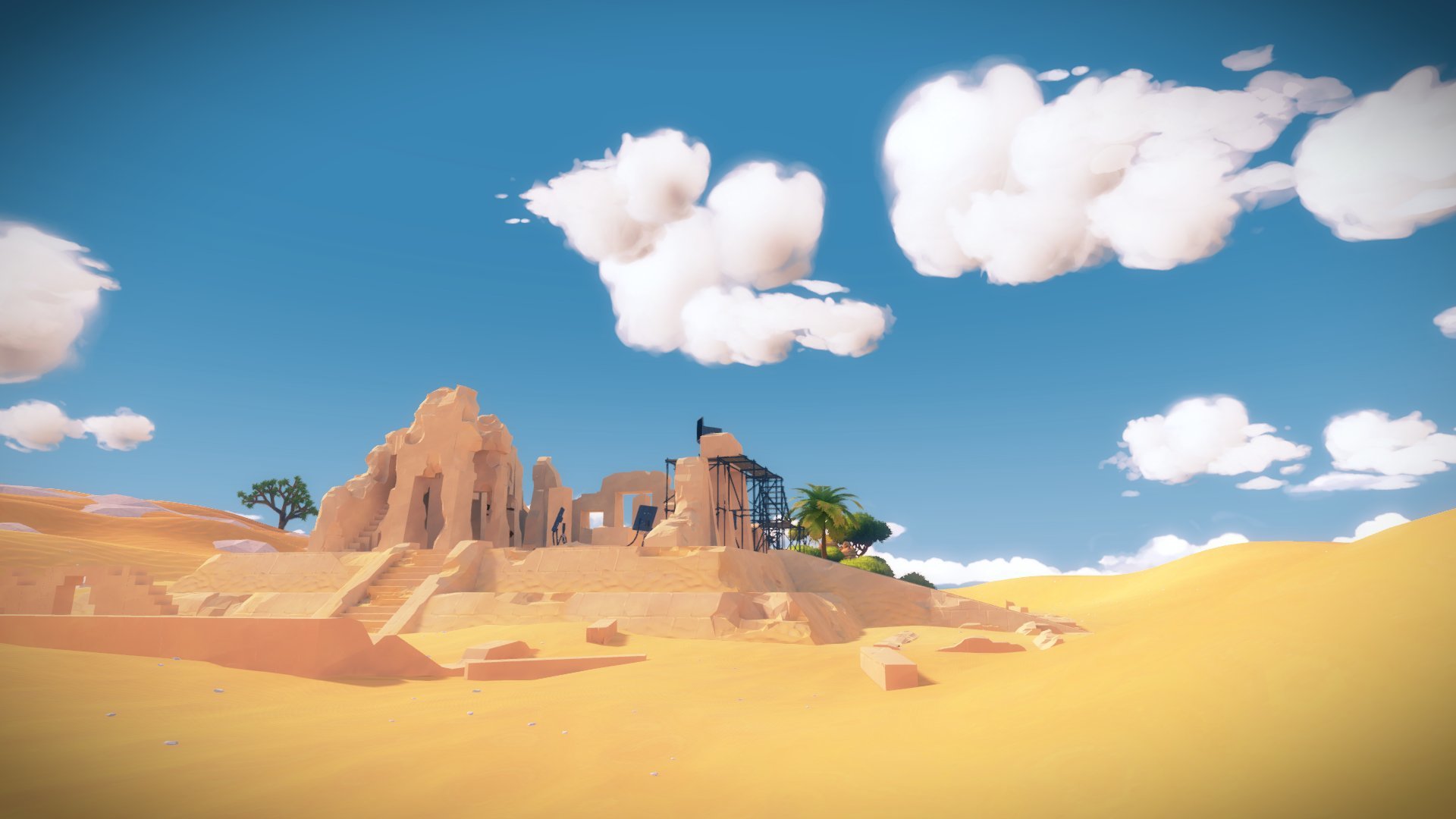
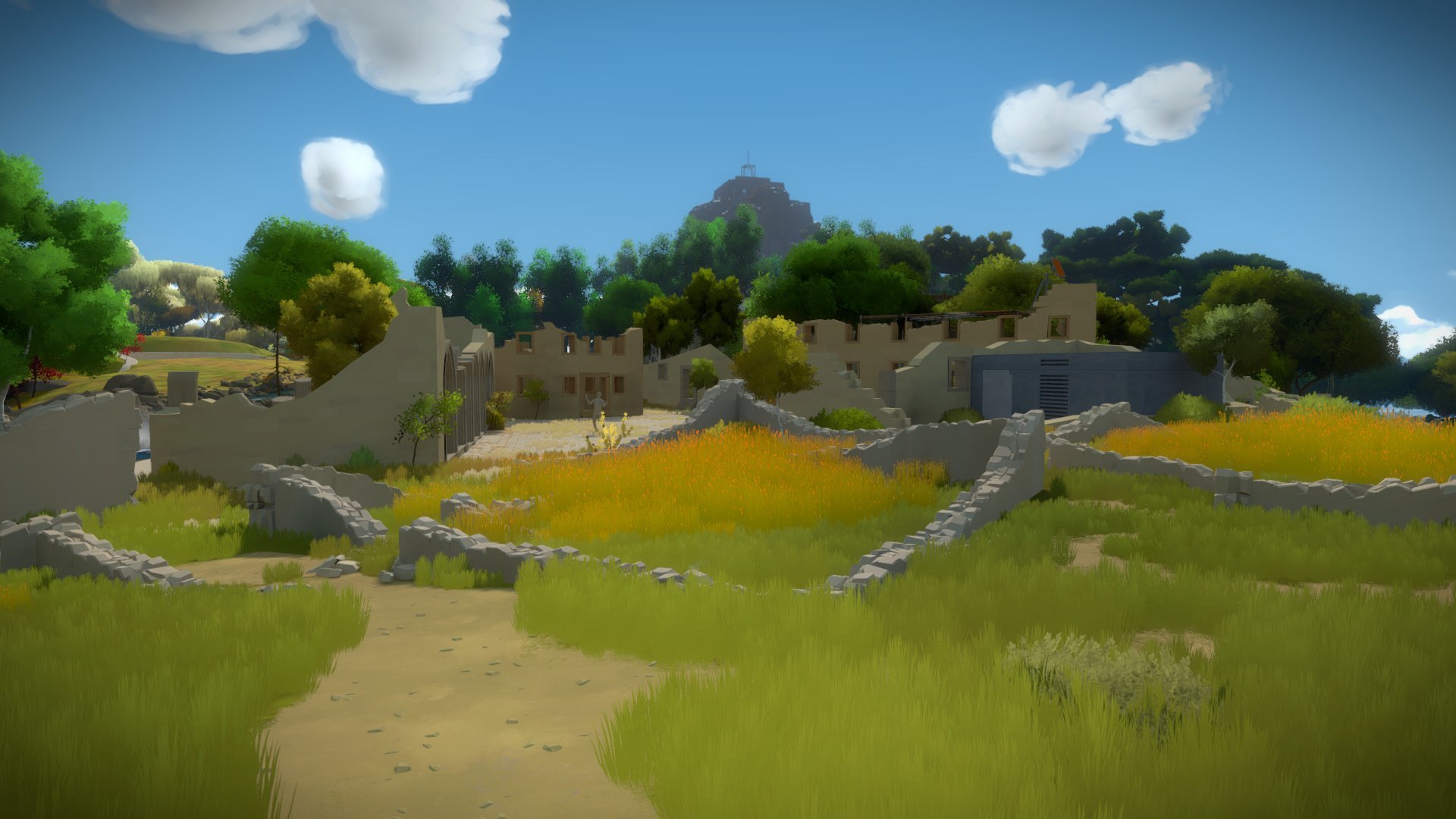
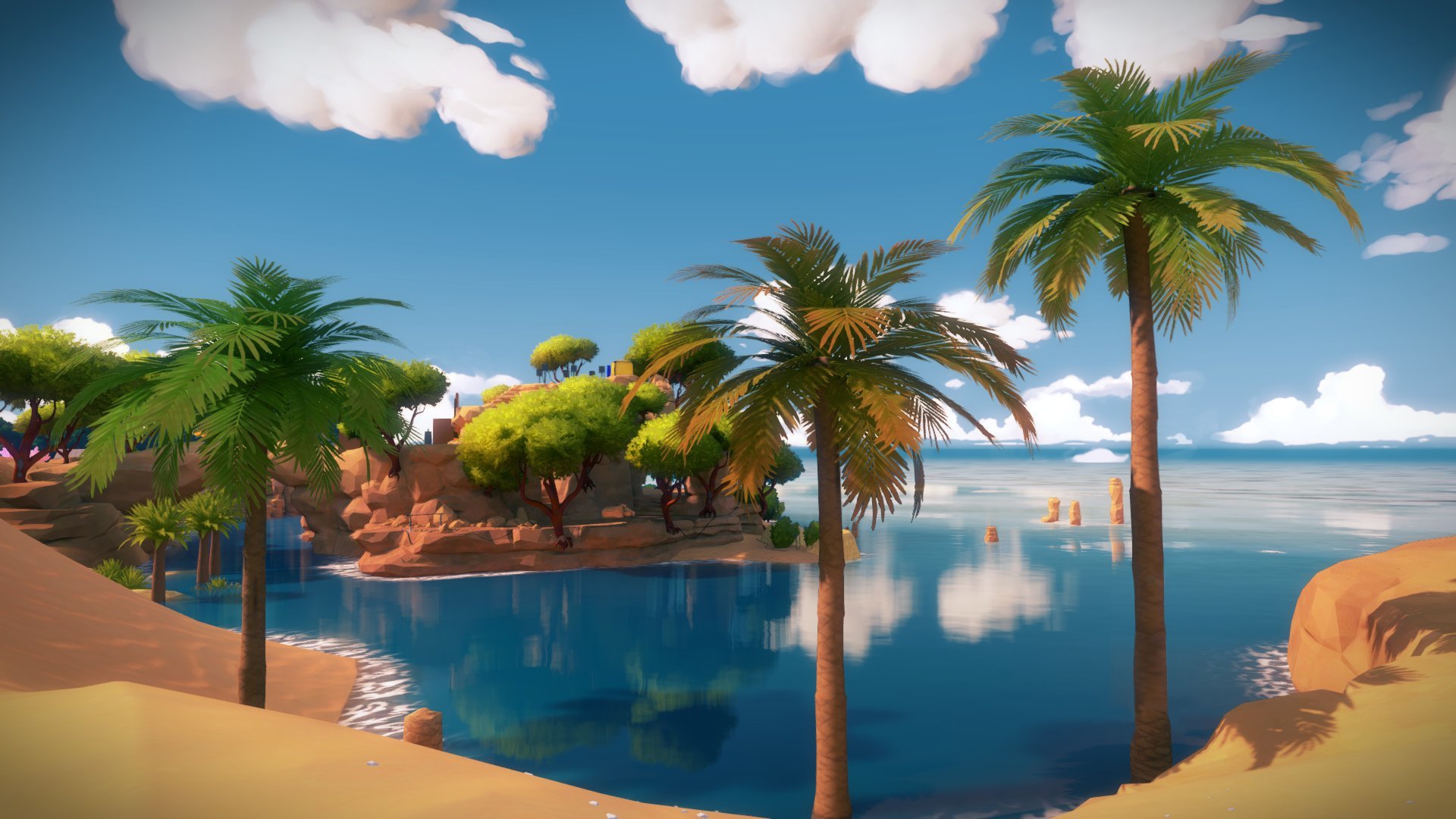
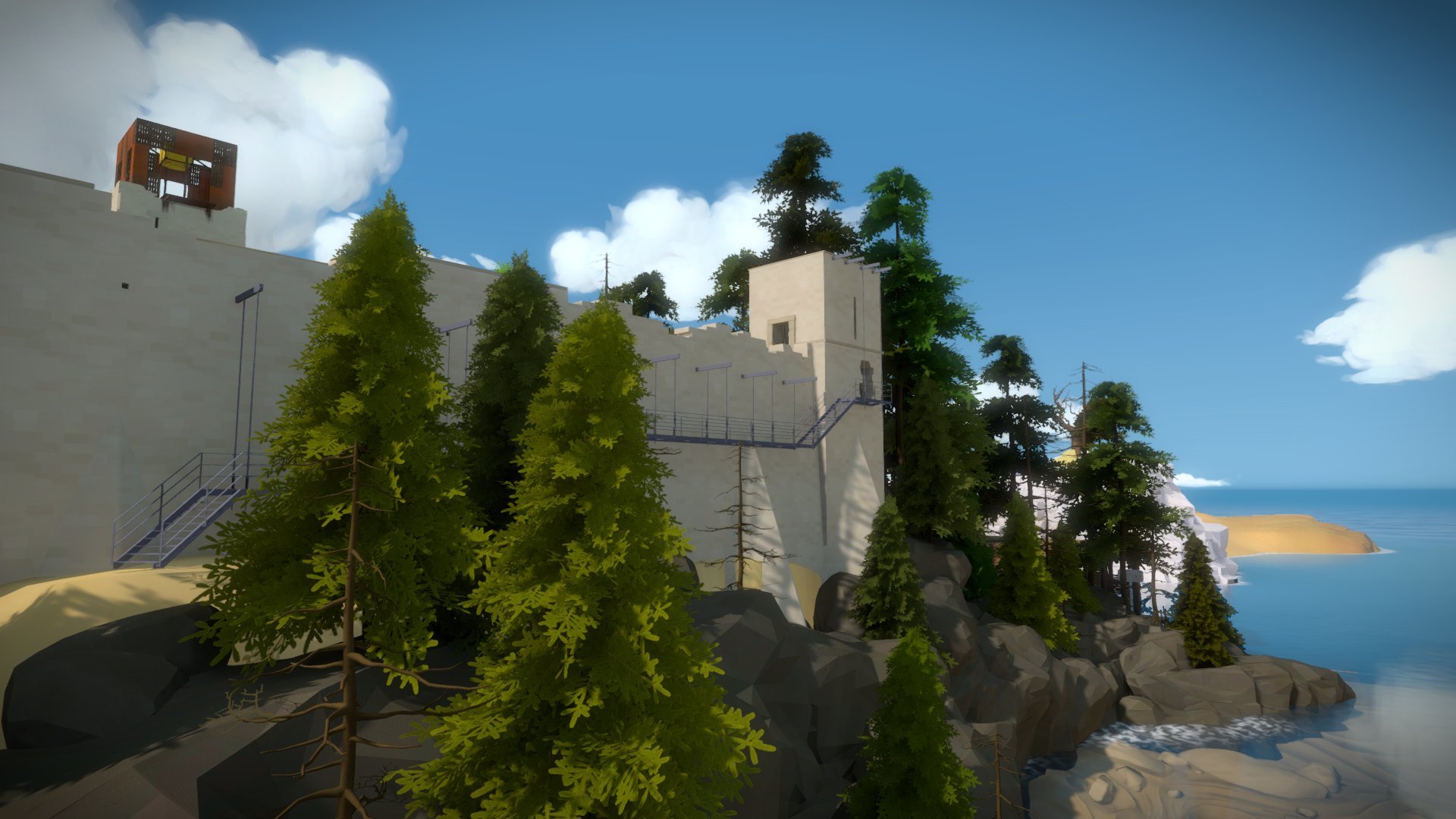
Unfortunately, all I got to see of the highly anticipated The Witness was a recurring video segment in the Sony showcase. Small snippets of gorgeous scenery, including a couple of previously unseen locations, flashed by, but otherwise the title still remains highly mysterious. Designer Jonathan Blow (Braid) claims the game will be a new take on ‘90s adventure games like Myst and Riven, but with “modern game design” and a sense of flow that most adventures lack.
The Witness trailer
All of this sounds like an intriguing formula, although the blatantly puzzle-centric design in the video segments suggested that the game could lean more toward pure puzzler than a straightforward adventure. However, certain elements of the game were confirmed at E3, such as a strong player relationship with the environment and a narrative that is only revealed through the player’s interactions. The Witness certainly appears to be a mesmerizing concoction of traditional first-person adventuring combined with its creator’s outside-the-box vision. As an indie game poster child, a visionary like Blow amongst more traditional adventuring fare might be exactly what the genre is looking for right now.
Latest Gaming Articles
All Articles