



Casual Collection – November 2011 releases


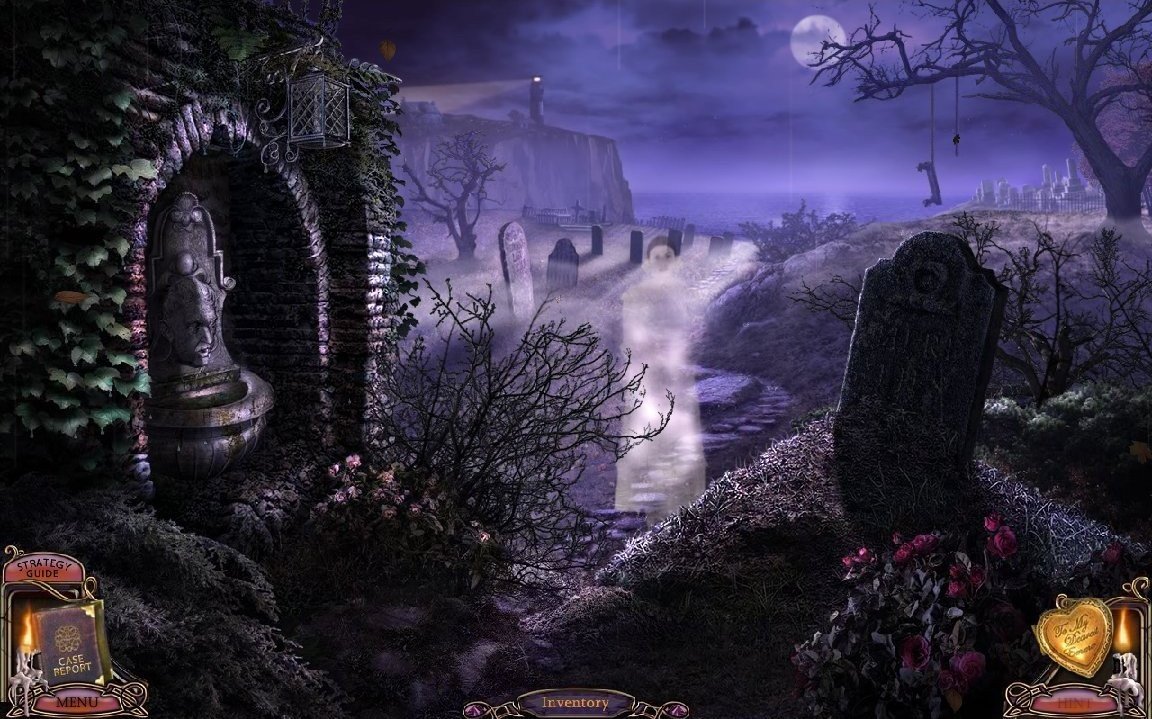
Time Mysteries: The Ancient Spectres
by Shuva Raha
Left at an orphanage as an infant, Esther has no link to her origins save an ornate rattle and a medallion, plus frequent nightmares of a strange mansion and an ancient oak tree. On a hazy day in 1830, she receives a letter from a distant aunt urging her to return to her estate, not only to learn more about her illustrious ancestors descended from Merlin the wizard, but also to prevent a power-hungry witch from escaping the magical container built by her family. Artifex Mundi’s Time Mysteries: The Ancient Spectres starts in earnest as Esther reaches the abandoned, decrepit mansion – the same one from her nightmares – and discovers the crystal cage which she must keep from cracking by finding magical tokens scattered across Europe and time.
This sequel to Inheritance is loosely linked through the Ambrose family tree: Esther is the grandmother of Vivian, the heroine of the first episode, who travelled through time to rescue her father from the clutches of his kidnapper. But The Ancient Spectres is far superior in both complexity and production quality to its predecessor, which used time travel as a mere plot device to generate diverse visual backdrops. Here, time and space are linked intricately through action and consequence, and Esther must constantly flit between both to achieve her goals, whether collecting items from one century to use in another, setting up events that yield results years later, or gathering clues and objects from past versions of the mansion even as the witch progressively destroys it in the present day.
The main adventure has about a dozen hidden object screens and as many logic puzzles interspersed with numerous inventory quests to collect tools and puzzle parts, all taking over five hours to complete. The hidden object searches are quite challenging, with attractive, detailed screens smartly stocked with era- and situation-appropriate items, some of which require minor interactivity. These screens are revisited twice each, but all previously collected items are excluded from later searches. Besides the rechargeable hint, a ‘sonar’ feature helps by showing silhouettes of the listed items. Interestingly, if you don’t feel like trawling the search screens, you can opt for an addictive symbol-matching arcade game to move ahead.
The standalone puzzles are simple and cover the usual gamut of jigsaws, rotators, and pattern- or image-matching, but are nevertheless entertaining as they’re well-integrated with the story. One that requires lighting a city’s streets is especially elegantly designed. The backbone of the game, however, are Esther’s tasks to locate objects and create situations by teleporting between the Ambrose estates in London and Venice over multiple centuries using the time machine, like the clever quest to produce a bottle of wine. These add genuine complexity to the linear flow, and the sense of accomplishment as minor activities significantly alter the future is satisfyingly real.
Unlike Vivian, Esther has no wisecracking sidekick; instead she must rely on the letters and instructions strewn about, which are archived in her journal along with her objectives. The time machine also serves as an interactive map, marking out locations – across time – where tasks are pending, and those which have changed since Esther’s last visit. By allowing teleportation to specific destinations, this invaluable facility eliminates the tedious legwork that cripples most casual games.
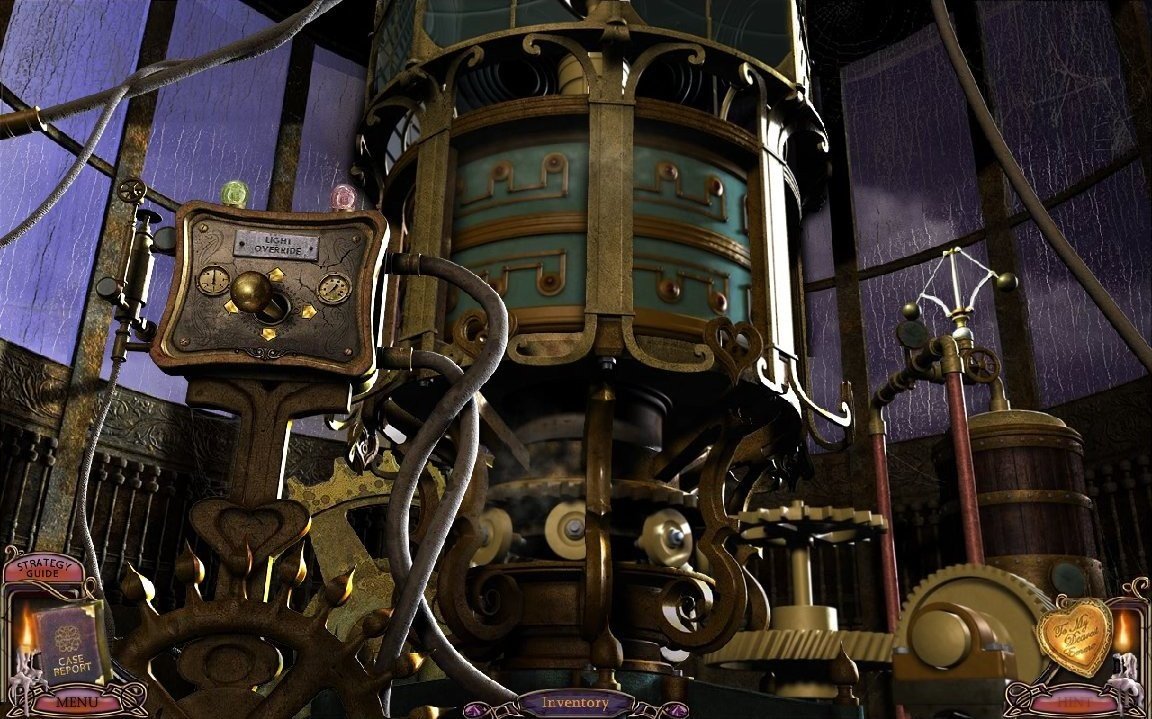
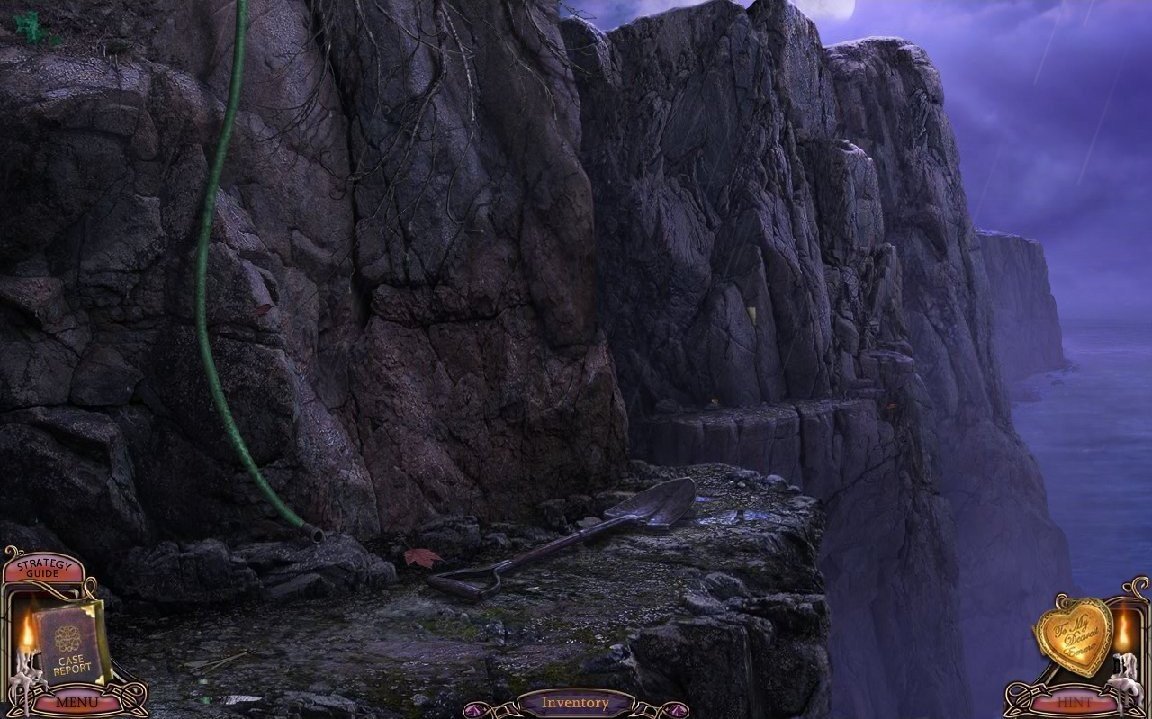
The attention to detail extends from the plot and puzzles into production as well. The richly coloured scenes reflect their eras and moods, such as the Venetian mansion in the grips of the plague or its British counterpart crumbling under the witch’s onslaught. Comparing locations through the centuries is a delightful pastime in itself. Ambient animation, like wavering sunbeams and footsteps on dusty floors, is subtle and efficient, as is the orchestral score, which is lovely in parts and ominous in others. Cutscenes are spectacular, be it Esther’s nightmares, the witch running amok, or the release of fire-moths from the crystal cage. The time machine animation is also sleek and never gets stale despite many repetitions. Unfortunately, the screens are annoyingly cluttered with multiple hotspots (and repetitive comments) for non-essential elements that are never deactivated, resulting in a lot of extra clicks. Conversations and cutscenes are expertly voiced, though in-game commentary is text-based, with coherent, easy-to-follow dialogues.
While the main game ends with a blazing cliffhanger and the announcement of a sequel, the Collector’s Edition returns to the past for a complicated half hour story of a woman trying to save both infant and adult Esther from her fiery predicament. Along the way, she must repair the time machine, visit an outlandish lab and a herbalist’s hut, and solve a handful of easy minigames. A notable exception is a poorly clued, visually and mentally taxing pattern-matching puzzle that may make you grateful for the skip button. The bonus chapter has four more repeating hidden object searches, and is a fairly unnecessary extension of play time unless one is really keen to learn how Esther arrived at the orphanage or manages her predictable present-day escape. A unique extra is an encyclopaedia of key characters and objects, though having it on hand while playing may have made it a more useful reference.
Time Mysteries: The Ancient Spectres is most certainly another very good game from Artifex Mundi (immediately following the stellar Enigmatis: The Ghosts of Maple Creek). Its fantasy-based story is laid out plausibly and ties in actual historical events, the reasonably challenging gameplay flows smoothly and stays aligned with the plot, and the production is largely superlative. But what elevates it to a great game is the way it links its core time-travel concept into the gameplay to create an experience that is complex and thought-provoking beyond the pretty window-dressing. It connects actions to consequences with rare rationality, and is confident enough of its own potential to avoid deceiving players with unnecessary backtracking and ill-informed quests, making it a casual adventure that’s well worth your time.
Hallowed Legends: Templar
by Merlina McGovern
Would you be able to tell the difference between what is good and what is evil? In Elephant Games’ Hallowed Legends: Templar, your ability to make the right choices is put the test as you encounter a variety of people who aren’t exactly what they seem, from possessed Templar knights to a mad man to an ambitious mayor of a small French town. These colorful characters attempt to aid you, or throw you off the track, as you search for your missing brother in a fun-filled journey that will take you through a variety of challenging logic puzzles and hidden object searches.
Just as you’ve settled into the small town of Gabelais at the request of your worried sister-in-law, you’ll find yourself attacked by a Templar, or perhaps just someone who likes to dress up in medieval costume. You’ll spend the rest of the game trying to figure out what exactly this and other strange characters from another time and place have to do with your missing brother Carl. Making great use of full-motion video, real actors play out the major roles in the game, including your brother, his wife Helen, a Templar or two, and the town’s mayor.
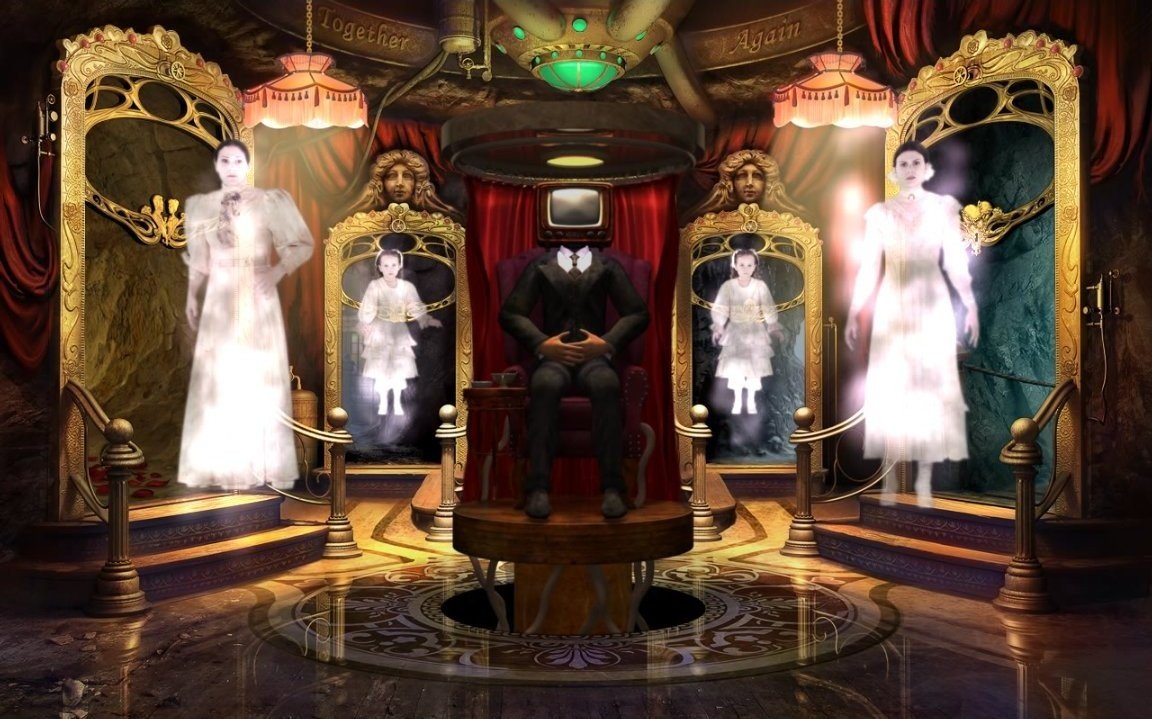
The developers have done a fine job of mixing FMV with traditional computer generated graphics: A sudden axe strike on your door results in a shower of wood and splinters as an actor in Templar dress breaks his way through your hotel room. The integration of live-action characters and pre-rendered environments is smooth, and the use of FMV helps set the right tone for this rather grim tale. The murderous Templar knights attempting to stop you are vicious in their attacks, and a Good Samaritan who tries to stop the knights from breaking into your hotel room ends up shot through the chest with an arrow as he attempts to escape from the roof. Complementing this tale of misplaced righteous anger and holy orders gone awry is the rather funereal music, with dense organ chords and reverent choral tones.
While the game’s subject matter often seems to be on another plane of existence, many of the main inventory puzzles are logical and have plausible explanations: A priest worried about the mysterious happenings at his church rushes to lock an object that he may need to use as a last resort in his confessional booth. When you find the poor priest floating dead in an underground tunnel, that same item will come in very handy as you investigate the church – this isn’t just some randomly hidden object with an arbitrary lock; the reason behind its presence makes sense. Several of the inventory puzzles are layered, and you’ll have to search for several objects to create one larger item within a scene itself, which I found a welcome layer of challenge, even on the game’s easiest of three settings.
This substantial three-plus hour game also provides a wide variety of logic puzzles, including variations of the usual suspects: tile challenges, Chinese checkers, and rotating ring puzzles. The non-repeating hidden object scenes, however, include some tricky interactive searches. While you’ll have to use some items within the screen itself to find other objects, as indicated on the item list by a different color, you’ll also sometimes have to use regular inventory items as well. This can be more complex, as the list doesn’t give you any color-coded indication when you’ll need to use one, if indeed you even have the needed item at that point.
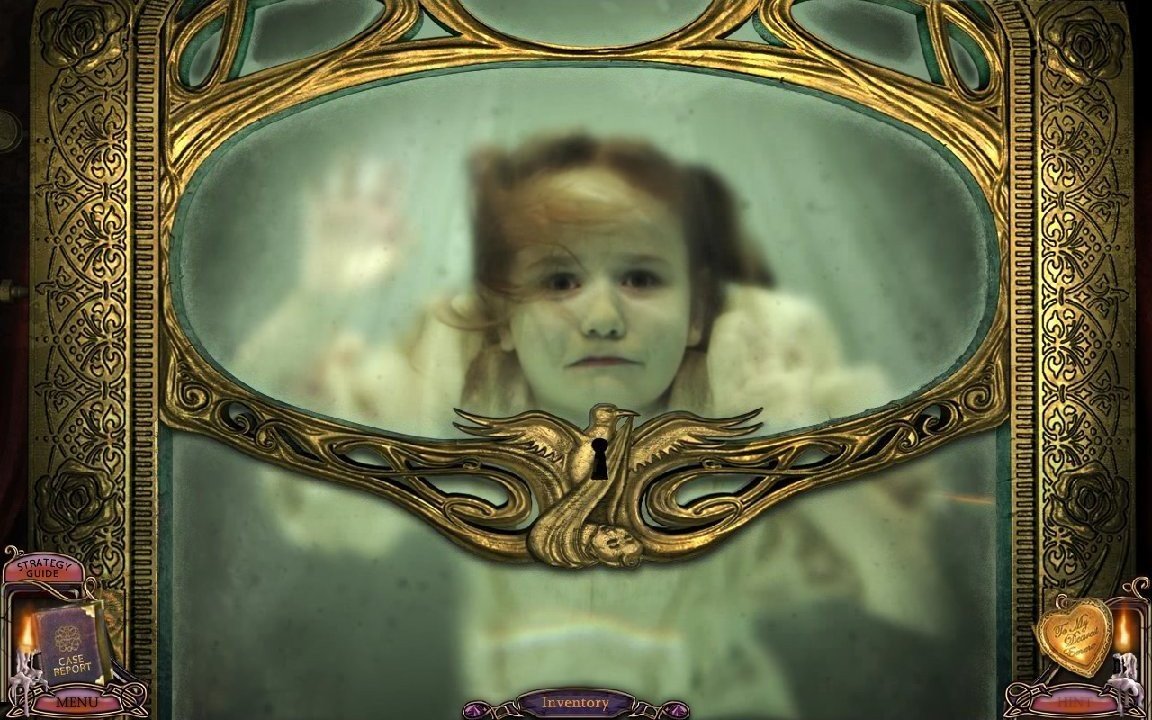
The game ends on a satisfying, if rather mysterious note. The nearly hour-long Collector’s Edition bonus play fleshes out the mystery of the original ending, and you’ll find yourself back in Gabelais fighting another foe to get the legendary Ark of the Covenant. In a great twist, you’ll get two ways to finish the bonus chapter, a choice that will really make you return to the questions: what is good? What is evil? A compelling storyline fleshed out by clever full-motion video use and entertaining puzzles will keep you happily occupied in this small town filled with an alarming lack of normal citizens. Whether you play the extended edition or not, you’ll have fun with Hallowed Legends: The Templar as it asks you to play the Good Samaritan: Are you up to the task?
Latest Gaming Articles
All Articles