



Casual Collection – January 2011 releases


Other Games of Interest
Spirit Seasons: Little Ghost Story
Jack Allin
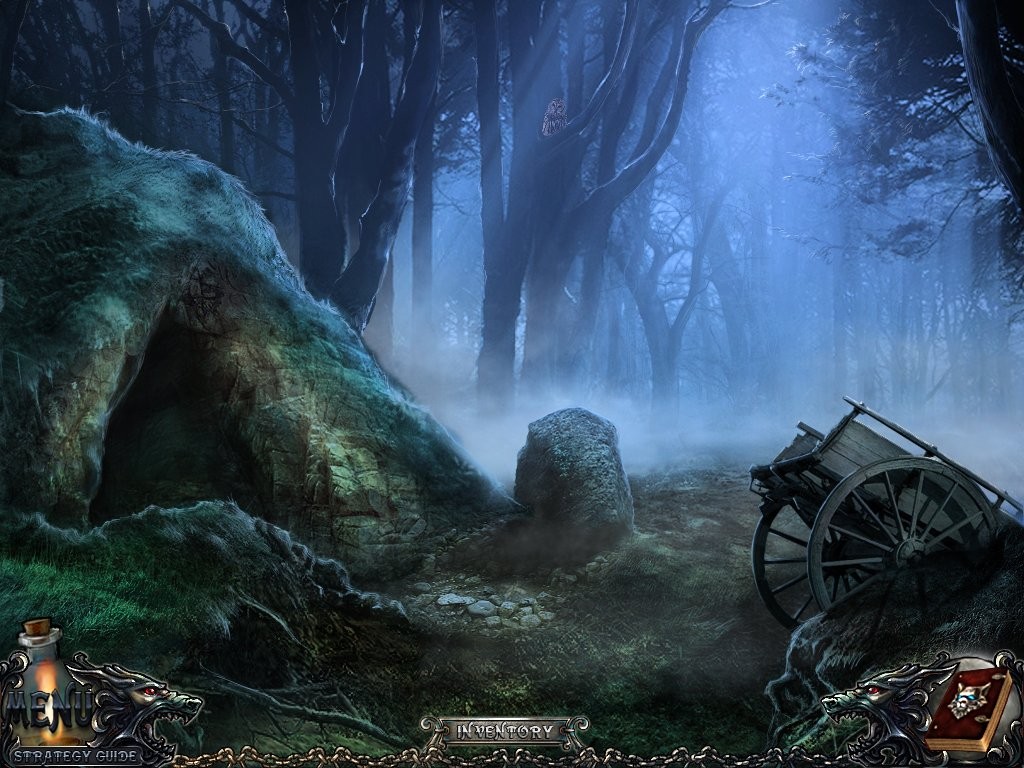
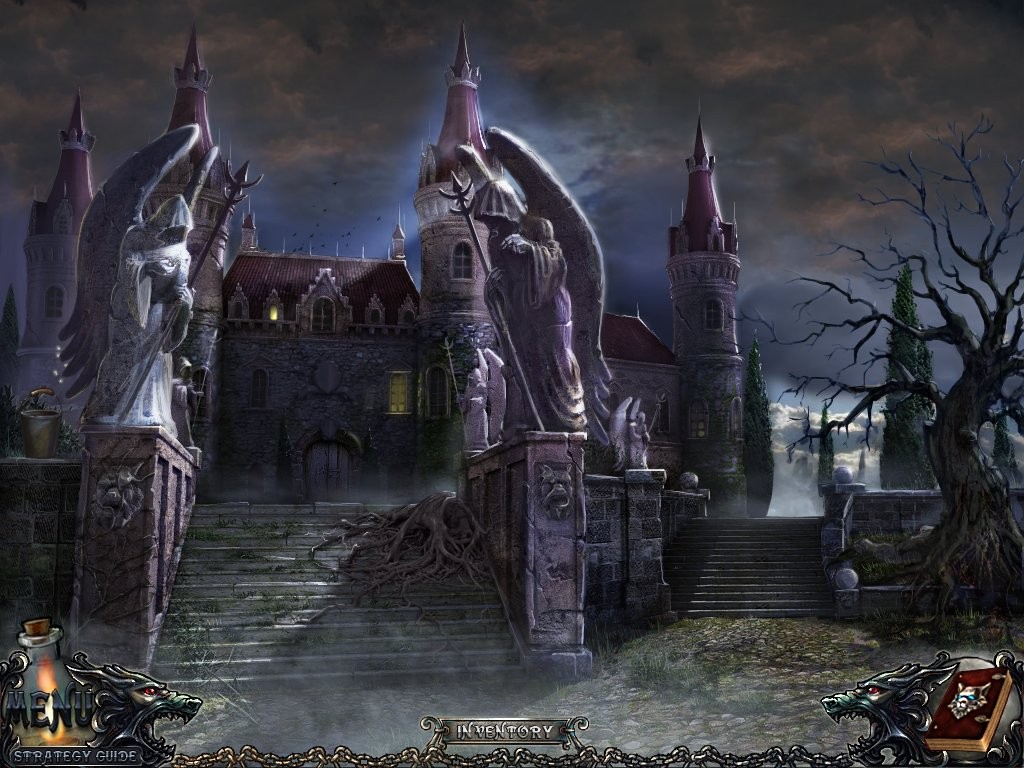
On first starting Spirit Seasons: Little Ghost Story from Tiki’s Lab, you’d think you were in for yet another generic haunted house story. In the fully animated introduction, your car breaks down near a secluded house, and before you have a chance to call for help, the ghost of a little girl smashes the phone and strands you there. The only other living inhabitant, an elderly man named Jacob, seeks your help to rid the house of its spectral menace by finding a magical spell book. And so you begin your exploration through the house from basement to library to attic, with a few outdoor stops down to the lake and the small family crypt. Along the way, you’ll encounter frequent hidden object screens, inventory to collect and use, and the rare logic puzzle to solve. So far so normal, but this game develops an interesting twist when the more you discover, the more you begin to question whether the old man is telling the truth. And when the little ghost girl herself claims she’s the victim, you must try to discover what really happened in the house’s tragic past – a quest that leads to a climactic decision at the end of the game that changes the final outcome.
It doesn’t change the nature of the game, of course, which really is a fairly standard hidden object adventure. You have some freedom to explore, but only a few rooms at a time are ever available to you, and though you’ll gather quite a few items in your travels, almost all of them are used in the immediate vicinity in straightforward ways. Other puzzle types are rare, but you’ll solve the occasional slider, connect circuits, and uncross wires. Any can be skipped if necessary but most are quite easy, though they’re more difficult on the “Expert” setting. The lone exception is a particular safe code, which is difficult even just to understand due to its poor instructions. Then again, given the various typos, grammatical errors and other blatant translation mistakes found in notes, news reports, and protagonist commentary, this confusion should come as no surprise. Hidden object screens are numerous and quickly get repetitive, as some are revisited and all of them require you to find multiples of the same item. Some can’t be found until you’ve interacted with the environment, but such items are clearly marked in the object list, and the rechargeable hint feature will highlight anything you miss. That shouldn’t often be needed, as the graphics are clearly and nicely hand-drawn in a stylish, slightly skewed way. The visuals are supported by subtly creepy music in the background, but there are no voices at all apart from some ghostly whispers. The story isn’t particularly deep, but it does probe deeply enough to care about the fates of its participants and make the “right” choice at the end. There is no right or wrong, of course, but to see the alternate ending you’ll need to start again from the beginning, so be sure to make a choice you can live with your first time through.
The Secret Legacy: A Kate Brooks Adventure
Jack Allin
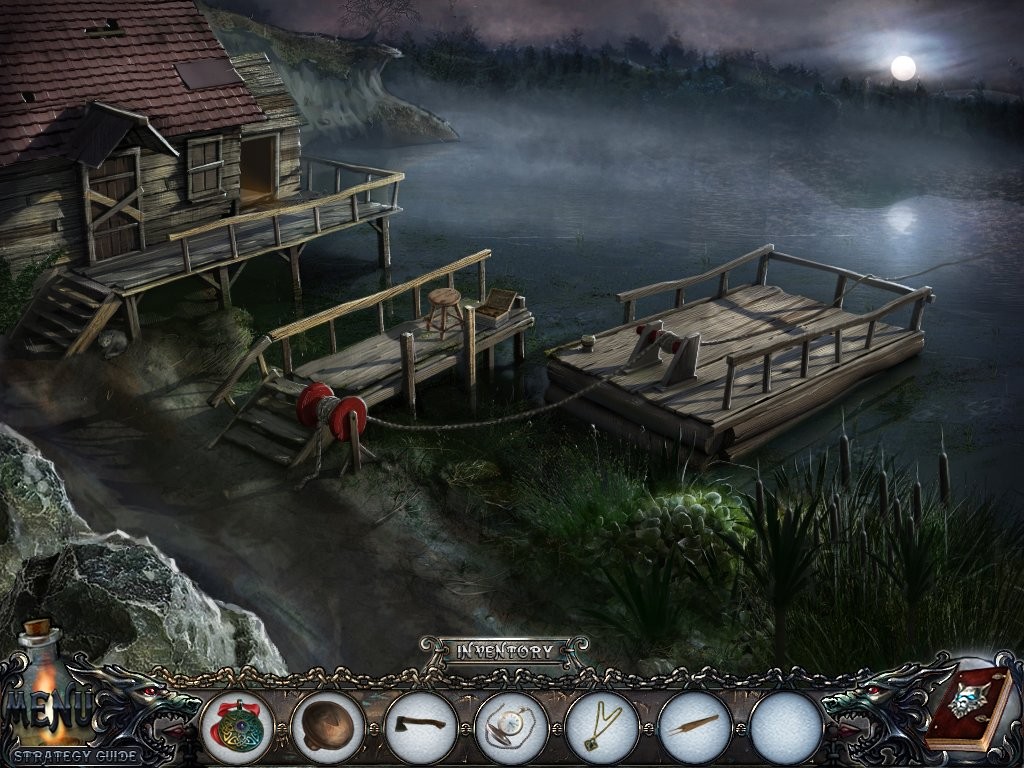
If there’s been a common criticism of the now-defunct White Birds’ adventures, it’s that the French studio produced games that looked lovely but continually fell short on gameplay. That trend has carried over to their foray into the casual realm in The Secret Legacy: A Kate Brooks Adventure. Kate Brooks is “based on a character by Benoît Sokal”, though she actually isn’t given much of a role here. Shortly after the death of her grandmother, a history professor researching Egyptology, Kate finds a note left by her about a remarkable discovery that she feared had put her life in jeopardy. The note pleads with Kate to follow the clues left behind in the event of her untimely demise, in order to fulfill her research and bring her discovery to light. Unfortunately, the request means that a full half the game is spent rummaging around her grandmother’s office and house, which hardly makes for a compelling adventure. Things pick up when Kate travels to Egypt in pursuit of a hidden Pharaoh’s tomb, but it takes a fair while to get there. It does look nice, as the graphics are crisp and realistically designed. There is no voice acting at all, though, and the background music is pleasant but doesn’t really convey any kind of ambient atmosphere. If you’re expecting anything Egyptian while in Cairo, think again.
With only some light exploring and straightforward inventory puzzles blended in, the game is largely composed of different types of hidden object tasks. Each scene includes both a standard list and silhouetted items to find, and several rooms require you to collect item fragments or sets of objects. This means you’ll spend a looooong time in each and every location, giving the game a very plodding, methodical pace that isn’t particularly rewarding. Rather than entering specific sub-screens for each search, here you never leave the main environments. Certain rooms include close-ups, but the majority of locations show a fairly wide area and challenge you to find the items located within them. So wide, in fact, that you need to use on-screen arrow buttons to scroll the screen side to side. This ups the challenge, as does the fact that many items are quite small when viewed from a distance. The task gets even harder in Egypt, with its many nondescript shades of brown, and quite a few objects are merely drawings and symbols rather than real objects. The rechargeable hint option will almost certainly come in handy at times. There are sporadic standalone puzzles to solve as well, most of which are entirely familiar: geometric jigsaws, sliders, lights out, and gears, some of which need to be repeated several times and range from extremely easy to very difficult, with an option to skip if necessary. You’ll also collect eight ancient tablets detailing the Pharaoh’s compelling love story, which is possibly the high point of the entire game. It’s not enough to recommend, unfortunately, as for the most part The Secret Legacy just ends up feeling dusty and old.
CrossWorlds: The Flying City
Jack Allin
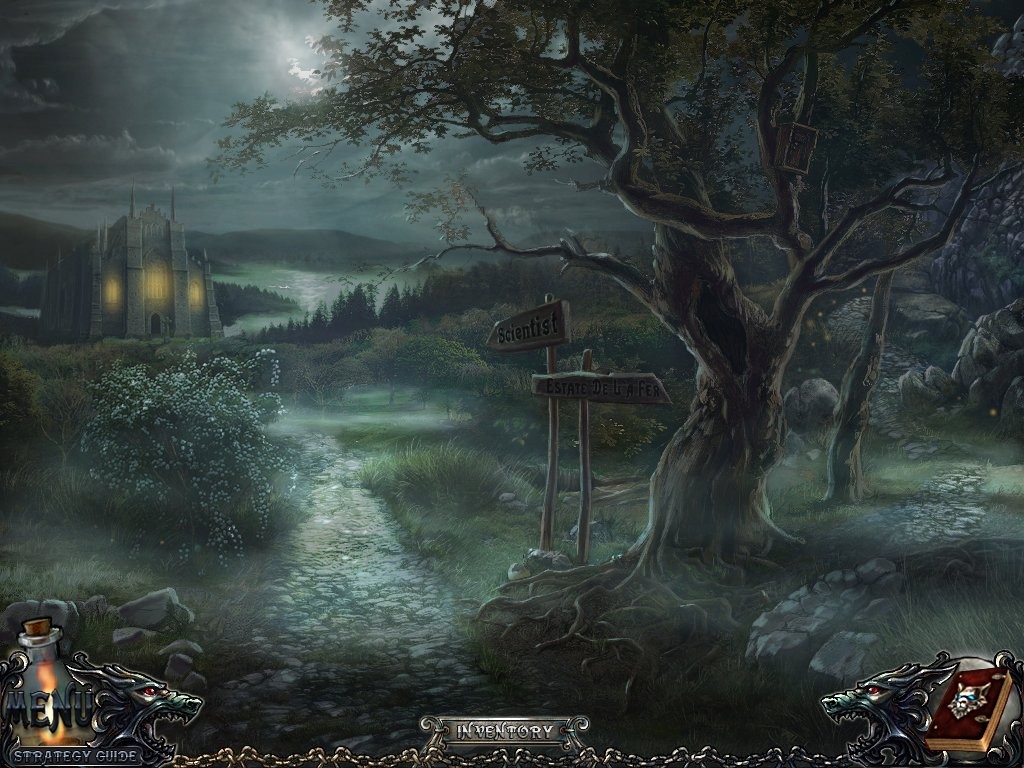
On paper, 2 Monkeys’ CrossWorlds: The Flying City seems to have all the makings of a solid hidden object adventure: a tried-and-true, dimension-hopping sci-fi premise, three radically diverse worlds full of bizarre characters to explore, and some light inventory puzzling to go with its casual item hunting. On screen, unfortunately, this game falls drastically short of its early promise. Right from the beginning – or make that “beggning”, as the static introduction clumsily sets the tone – it’s clear that CrossWorlds is a budget production that cut some serious corners along the way. The gentle background soundtrack is fine, but there is no voice acting of any kind and almost as little animation, and the graphics are simplistic and hazy. The characters prove to be nothing more than plot devices to keep you busy, and the story is quickly relegated to irrelevant background. In theory, you’re a young woman named Monika who must pursue her father through his experimental teleporter to discover why he’s disappeared. In reality, you’re really just a gopher who continually fixes broken machinery and runs random errands in return for favours, hoping it eventually leads somewhere.
It’s not all bad news, as the three unique worlds you’ll visit include a post-apocalyptic city populated by (broken down) robots, an alien jungle-like planet, and a floating city with talking statues. There just isn’t enough of interest to do in any of them. Hidden object screens pop up frequently and are poorly designed: objects are totally random and out of place for the environments (aliens keep piggy banks?), and they’re often too small or obscured to see, forcing you to wait for the sloooooowly recharging hint feature. Standalone puzzles are few and far between, though you’ll occasionally solve an easy jigsaw or rotate rings. Most of the time you’ll be wandering between the dozen or so screens per world performing simplistic fetch quests, but once in a while you’ll need to find a lock code or change the time on a clock (which somehow makes a difference without having any effect on time itself). It’s probably good that the tasks are so basic, as there is no hint feature at all for the main tasks. The diary is updated with new objectives, each of which can only be accomplished in a very linear order, and this is often the only clue you’ll get to what you should be doing. Some hotspots can be hard to find, particularly on machines, but key items twinkle, so there’s little chance you’ll overlook anything. If you think you’ve hit a snag, chances are you’ll simply need to backtrack to find the same hidden object scene you’ve already cleared has magically opened up again with items in different places. All this adds up to a decently lengthy adventure, but the final reward for your efforts is a blatantly unfulfilling finale with a “to be continued” promise of more to come. Here’s hoping it isn’t merely more of the same.
Kingdom of Seven Seals
Jack Allin
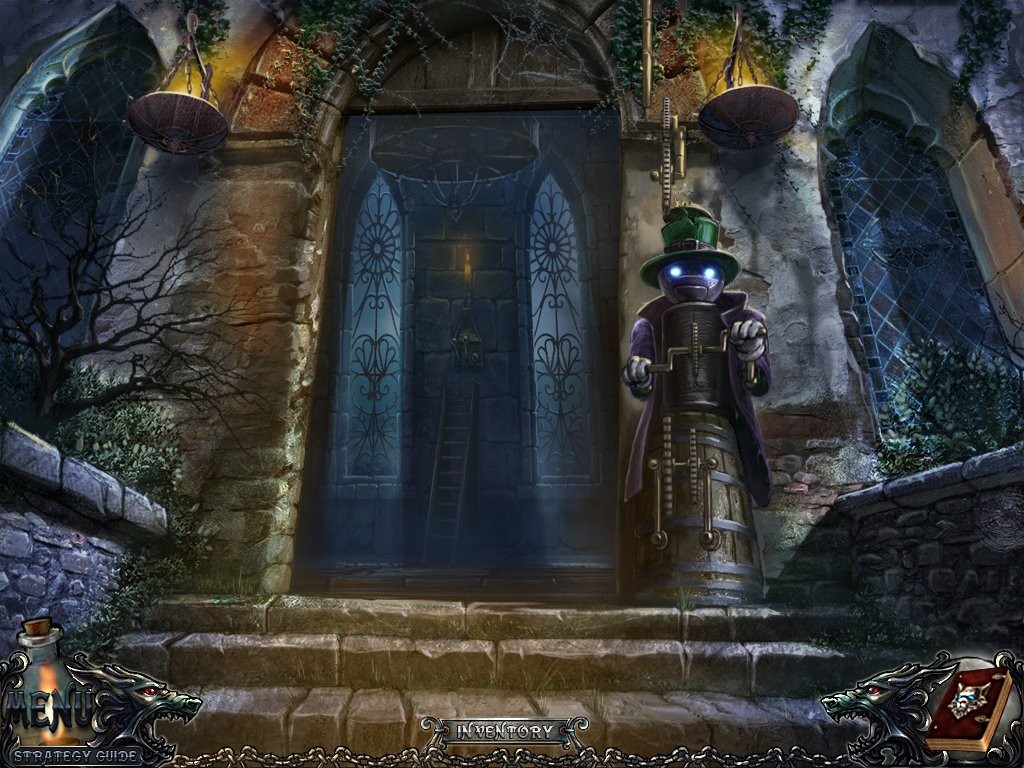
At its core, Puppet Life’s Kingdom of Seven Seals is a fairly standard hidden object hybrid adventure spent searching for items, collecting inventory, and solving random puzzles and minigames. But it isn’t long before you notice how very different it is than its contemporaries, as the princess of a magical kingdom is sent out onto a overworld map to seek a cure for a witch’s curse plaguing the land and her people. It’s a welcome change from the standard casual format, and at first it adds a refreshing quest-like element that feels similar to the fantasy adventures of old, as you interact with ogres, elves, mermaids, dragons, and fairies along the way. Unfortunately, nothing interesting is ever done with this feature, merely sending you on one monotonous, map-traversing errand after another instead. It isn’t long until the gimmick has become repetitive, tiresome, and more than a little aggravating. The game should probably be called Fetch Quest.
Perhaps the reliance on game-stretching filler shouldn’t come as a surprise, as this is clearly a game developed on a budget. Its music is a pleasant but repetitive sampling of pianos, flutes, and strings, and there is no voice acting at all. The bright, cartoony graphics are stylish enough, but they’re done in such low resolution that they look badly dated, which is especially troublesome in the blurry, nondescript hidden object screens. You’ll visit and revisit the same scenes multiple times to meet an endless string of totally contrived objectives, invariably located at the far end of the map. A giant wants jewels from the dwarf, but the dwarf wants beer first, but the beer needs water, and the water spirit needs purifying, etc. It’s hard to ever feel like you’re making any actual progress, especially when robbers appear on the map to demand tolls for crossing bridges (which, naturally, you’ll need to do every. single. time.). To pay for this, you’ll need to engage in mind-numbingly pointless slot machines at scattered casinos. There’s no strategy, no skill, no timing, just luck and an abnormal amount of patience. Most tasks are simple inventory puzzles, but you’ll also engage in the rare jigsaw, marble-popping, or tile-collapsing minigame. There are a couple of logic puzzles as well, with instructions so horrendously vague that it’s a good thing you can skip them. Eventually you’ll collect the titular seven seals needed to defeat the witch, but your interest will have magically disappeared long before that. The overworld map was a nice idea, but in the end this game is little more than a one-trick unicorn.
Note: Adventure Gamers is a Big Fish Games affiliate.
Latest Gaming Articles
All Articles