



How Elden Ring Fixes Open-World Fatigue

Open-world games should be about adventure, mystery, and the thrill of the unknown. But over the years, something went wrong. Instead of discovery, we got checklists. Instead of adventure, we got mini-maps stuffed with icons. And instead of mystery, we got giant arrows telling us exactly where to go.
This is what many call the “Ubisoft formula” – a structure seen in games like Assassin’s Creed, Far Cry, and Ghost Recon. It’s a loop of climbing towers, clearing outposts, and ticking off side activities that, while fun at first, start feeling mechanical. This is open-world fatigue: when the game world stops feeling like a place to explore and starts feeling like a second job.
Then Elden Ring came along and set fire to the formula. And if you haven’t played it yet, the Elden Ring CD key opens one of the most refreshing open-world experiences in years.
A World That Trusts You to Figure It Out
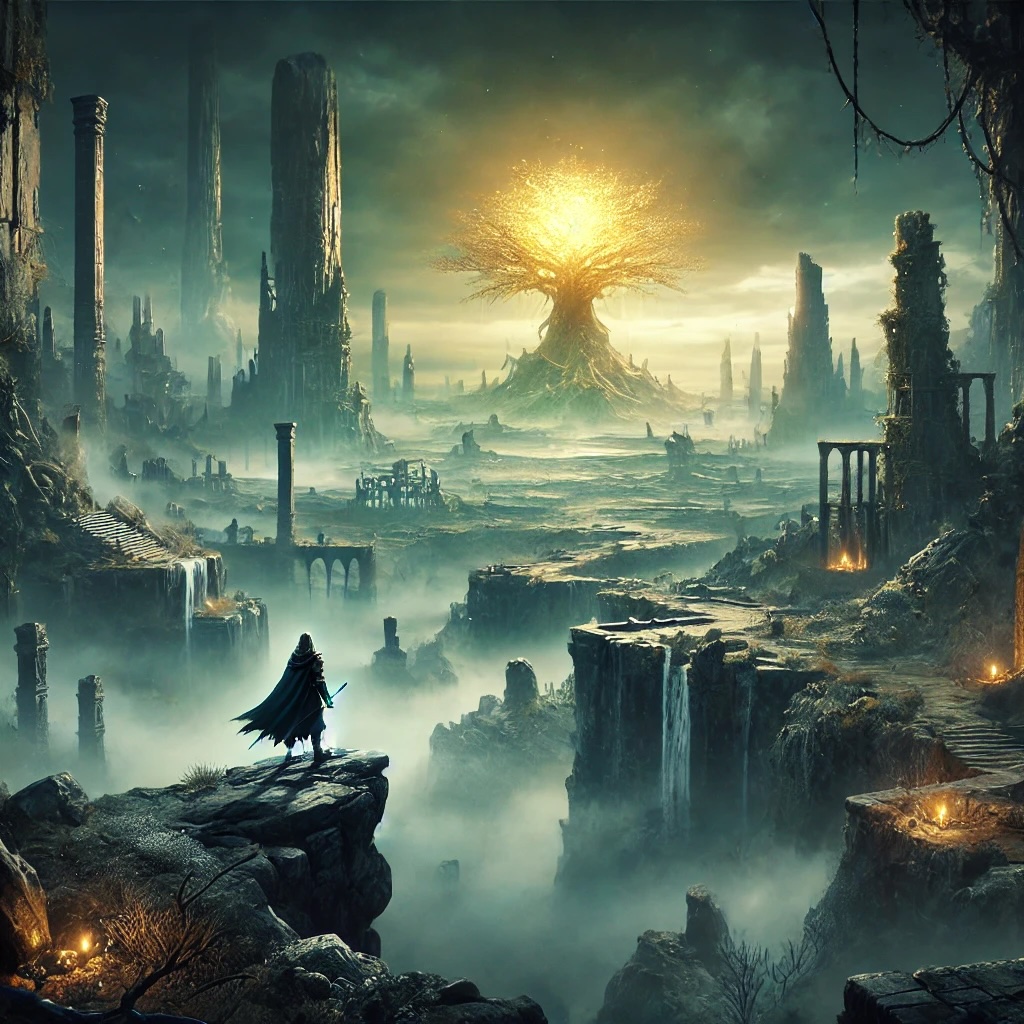
FromSoftware decided that players weren’t just capable of finding their own way – they would enjoy it. And they were right. Elden Ring throws you into the Lands Between with almost no direction. No glowing trail, no icons plastered all over the map, no NPCs endlessly repeating “You should go there.” Instead, you step out of the starting cave, see a golden tree in the distance, and… just go.
This kind of trust in the player makes every discovery feel meaningful. When you stumble upon an abandoned castle, you weren’t sent there—you found it. When you descend into a hidden catacomb, it’s because you were curious, not because a quest log told you to check it off the list.
No Hand-Holding, No Problem
Open-world fatigue often comes from over-explanation. Many modern games assume you need constant reminders of what to do. Quest markers spell everything out, hint systems tell you solutions before you even have time to think, and tutorials last forever.
Elden Ring says, “Figure it out.”
There’s no “Press X to win” moment. Every boss fight is a brutal test of skill. Every puzzle forces you to experiment. Every path you take could lead to treasure, danger, or—let’s be honest—an embarrassing death. And that’s the beauty of it. The game respects your intelligence, and as a result, overcoming challenges feels genuinely rewarding.
An Open World That Feels Alive
The problem with checklist-style open worlds isn’t just that they’re repetitive—it’s that they feel artificial. You clear an enemy base, move to the next, rinse, and repeat. Eventually, you see the strings behind the illusion.
Elden Ring’s world doesn’t work that way. It’s unpredictable. A peaceful-looking village might be hiding a horrific secret. A friendly NPC could be leading you into a trap. Some locations don’t even have a clear purpose—you just soak in the eerie atmosphere and move on.
This makes exploration thrilling again. You’re not just filling out a map—you’re uncovering secrets, piecing together lore, and forging your own journey.
Open-World Games, Take Notes
Elden Ring proves that open-world games don’t need to hold your hand, drown you in markers, or rely on busywork to keep you engaged. It brings back the joy of discovery, the satisfaction of overcoming real challenges, and the feeling that the world exists for itself, not just for you.
If you haven’t played it yet, now’s the time. And if you’re looking for an Elden Ring CD key at a great price, digital marketplaces like Eneba have you covered. Because let’s be real—spending less on a game this good just makes the adventure even sweeter.
Latest Gaming News
All News