



Sam Barlow (Her Story, Telling Lies) – Part 2


[b]Ingmar[/b]: You’ve mentioned Zelda a couple of times, but when it comes to storytelling in games in general, which ones have particularly impressed you throughout the last few years?
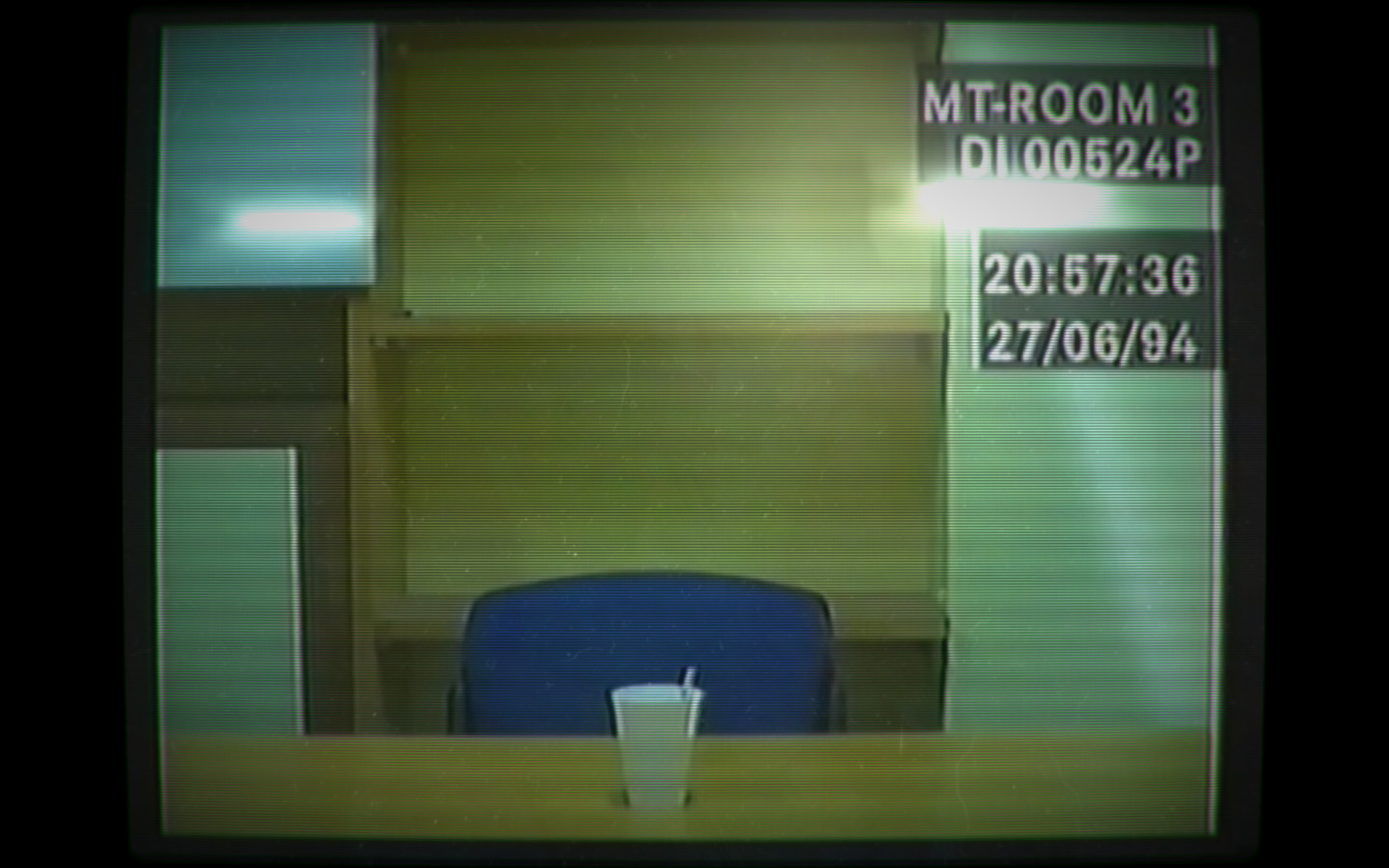
[b]Sam[/b]: Of the few that I’ve allowed myself to play – ’cause the act of making an independent video game is to do that at the exclusion of all other fun – I continue to be a huge fan of Kentucky Route Zero. Some of the bits and pieces they do… there’s a bit in, I think it’s Act Two where your characters visit this museum, but you’re seeing it from the perspective of the people you spoke to being interviewed at a later date about what they said to you. And the dialogue choices that you get, the traditional kind of choice-based story happening through the voices of these characters in the future… it creates so many interesting layers, raising the question of who’s the protagonist? What does it mean to be an interactive audience member? Are you role-playing the character? I’m fascinated by those kinds of questions. And I think they do some wonderful things in Kentucky Route Zero, as well as it being beautiful in terms of atmosphere and visuals.
I just started playing Heaven’s Vault, which has some rough edges but there’s a humbleness to what inkle does, ’cause they’re doing stuff that is so much more ambitious and so much further along in terms of this idea of using procedural, systemic elements to kind of rearrange a story and shuffle it around what you’re doing. They’re doing that so much more than anyone else is. And I think to some extent people don’t necessarily realize it. You know, if this was EA making this game you would’ve watched a hundred hours of promo videos explaining how clever the story system was.
[b]Ingmar[/b]: (laughs) Right.
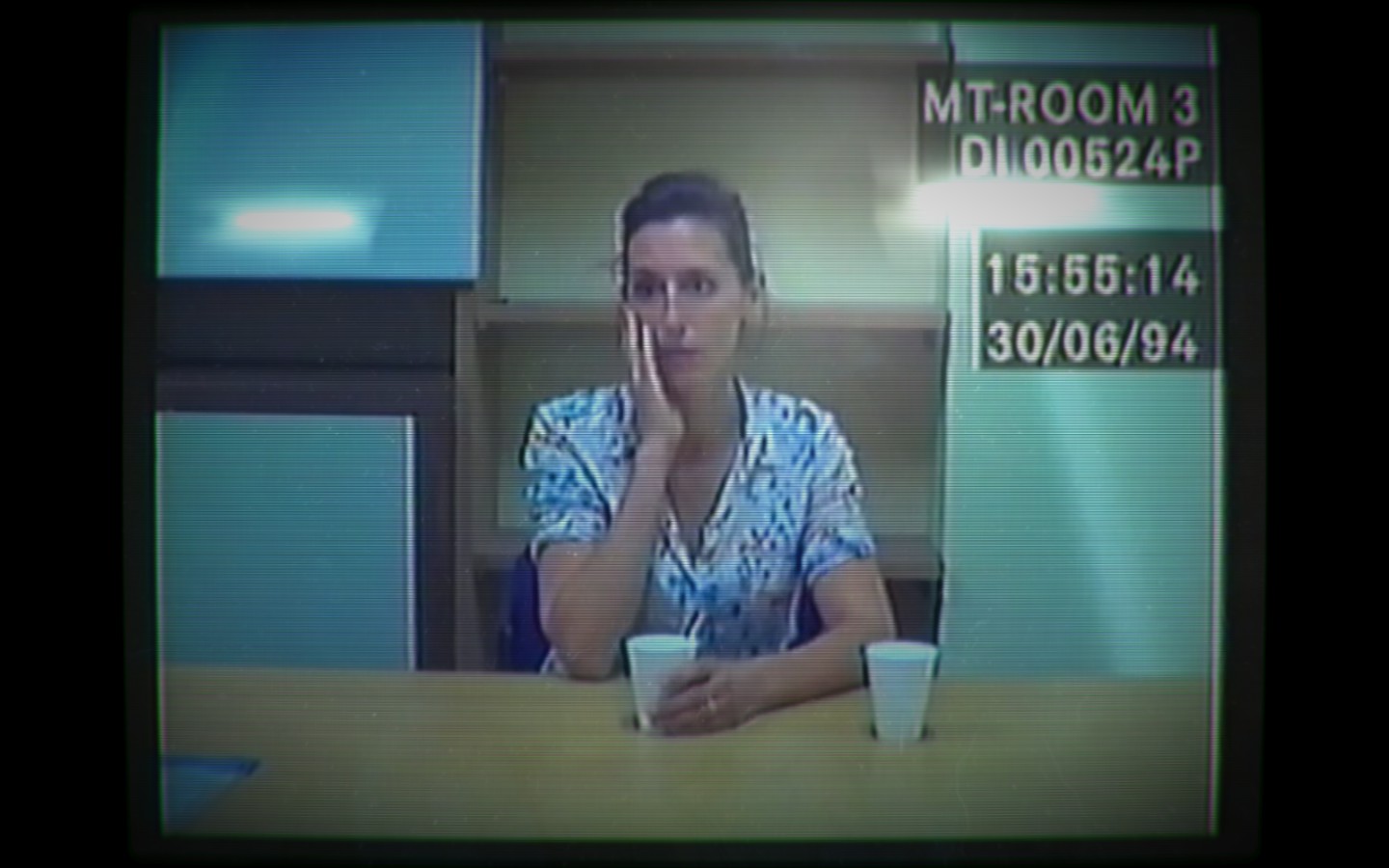
[b]Sam[/b]: And they don’t do that. So it’s easy to miss in some ways. It’s such a specific thing, which I love. Like, it makes no concessions. I mean, it is the love child of the Westwood Blade Runner game and The Last Express.
[b]Ingmar[/b]: Sounds good!
[b]Sam[/b]: It has a unique visual style. It’s a detective story which kind of auto-shuffles itself. And the world it’s set in is this curious, very analogue kind of future. It has a lot of Gene Wolfe-type stuff in there about these kinds of civilisations on top of other civilisations. Super, incredibly ambitious.
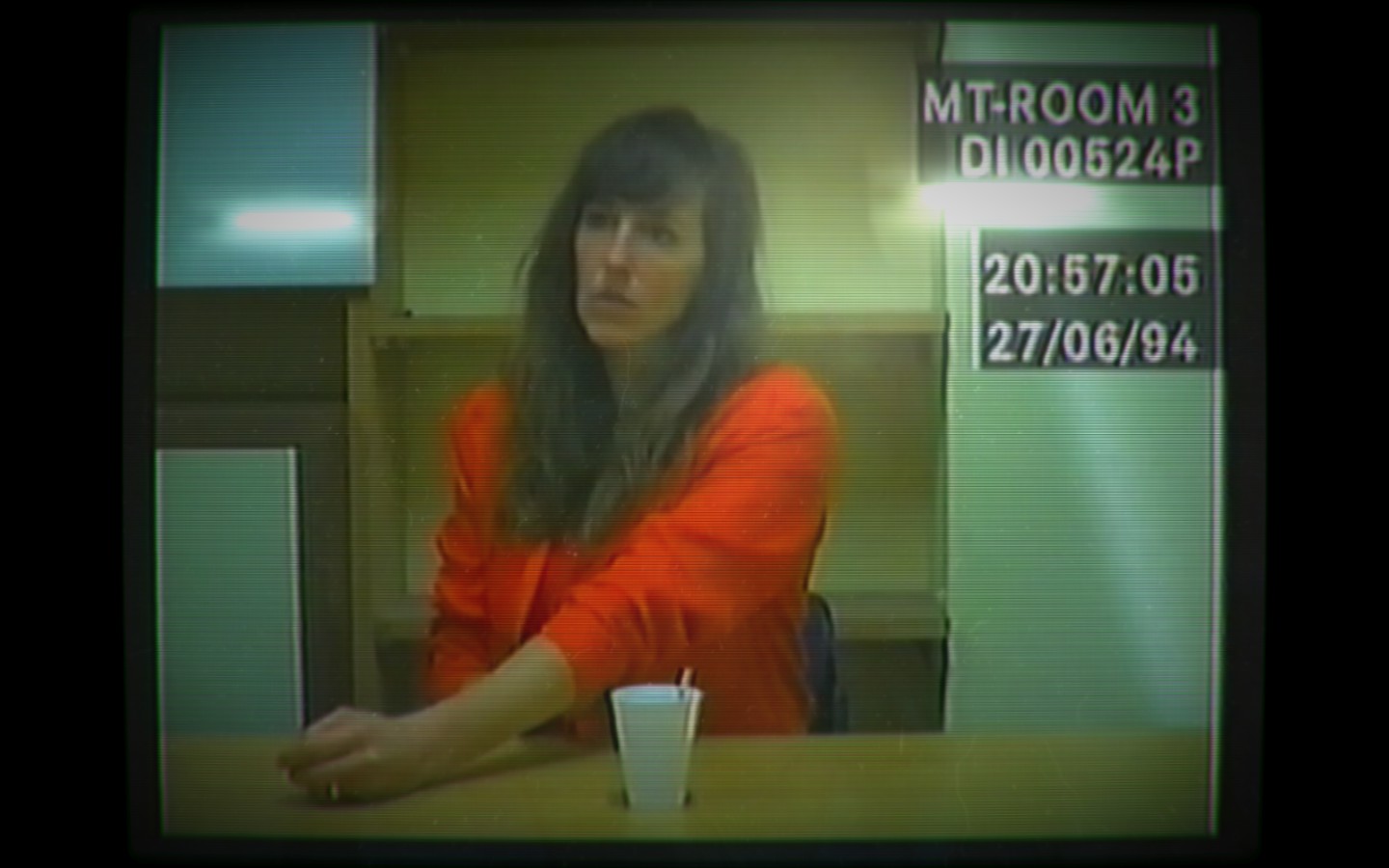
I obviously loved [The Return of the] Obra Dinn, not necessarily as a piece of storytelling in the way that I would define a story, but speaking as someone that’s thought about what mechanics can you build around the idea of being a detective? It was super-interesting to see them solve that question in a different way by having each individual murder be very simple. Multiple choice questions, essentially, but we’re going to have a hundred murders. And that’s where the richness comes from. And I really admired the way they solved the content problem. Having these elaborate freeze frames I thought was really beautiful with the voice-over, ’cause they were very detailed and interesting and dramatic. I thought it was a more artful compromise than, say, Everybody’s Gone to the Rapture, where you would have ghostly bodies acting out entire scenes. Having the specificity of those frozen dioramas was super-cool, and it’s a fantastic constraint to try to tell a story around that.
And then for the developer to basically execute on every possible variation within those constraints. Lucas [Pope, developer] was probably essentially going, “well, how many ways can people die? And how many ways can I identify them through their accent, their clothing, their belt buckles, their tattoos, their uniforms, where they are physically on a ship, and how detailed do you go on thinking about life on board a ship and stuff?” That for me is one of the things that’s only possible in independent games, because no one is going to allow you to spend five years as he did being obsessive about those details in a way that you can if you’re only answering to yourself. Similarly in Telling Lies, there are very strange, specific things and I’ve gone very deep and been very indulgent in directions that I think if I was answerable to a more conventional higher power it would be hard to justify.
[b]Ingmar[/b]: Not that long ago, Eko, an interactive storytelling platform, released WarGames, which was a project that you did for them. It seems more like a traditional interactive movie than in comparison to something that is rather, let’s say, gamey or mechanical. Can you tell me a bit about WarGames and your involvement with Eko?
Latest Gaming Articles
All Articles