



Jan Kavan – J.U.L.I.A.

[b]Adventure Gamers[/b]: Let’s start off with the basics: what the heck does J.U.L.I.A. stand for?
[b]Jan Kavan[/b]: The acronym indeed has a story of its own. There are several similar stories which were not spelled out in the game, but rest assured that we’re currently cooking something. Stay tuned and you may find about this and other untold stories sooner than you’d expect. 🙂
[b]AG[/b]: Hey, teasers are supposed to come at the end! Okay, first it was ghosts in sheets, now space exploration. That’s quite a thematic shift. Why the move to sci-fi for your second game?
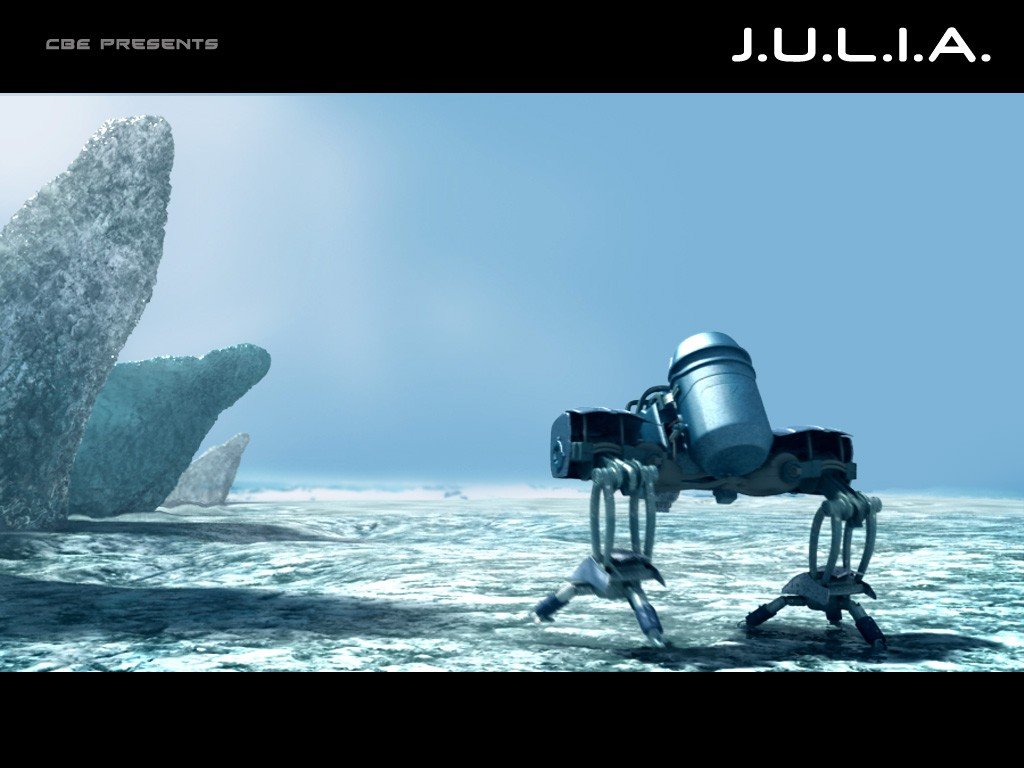
[b]Jan[/b]: Well, actually we started with Destinies, which was an old school sci-fi story. However, we were never able to secure proper funding for such an ambitious game, so after many years of trying, we decided to let it sleep for a while and do something smaller.
It was also some time after Jonathan (Boakes) made a breakthrough with his ghost-themed games and all of a sudden everyone was doing ghost-themed games. One day we were being silly and came up with the idea of reversing the role – that instead of the scary ghost-hunting game, we’d make a comedy about a ghost as a main protagonist. In the end it was a great learning project for us. We learned what it takes to finish and bring a video game to market without a single cent of funding.
So to get back to your question, I prefer sci-fi or fantasy themes, and as a writer I am more at home with serious, mature themes than with my specific pitch-black humor.
[b]AG[/b]: Have you been a science fiction fan for a long time?
[b]Jan[/b]: Yes. I’ve been an avid reader since the age of four, and I spent way more time in my early childhood reading sci-fi books than I did playing cello. 🙂 This turned around when I started to attend the conservatory, but as a kid I read literally thousands of sci-fi books.
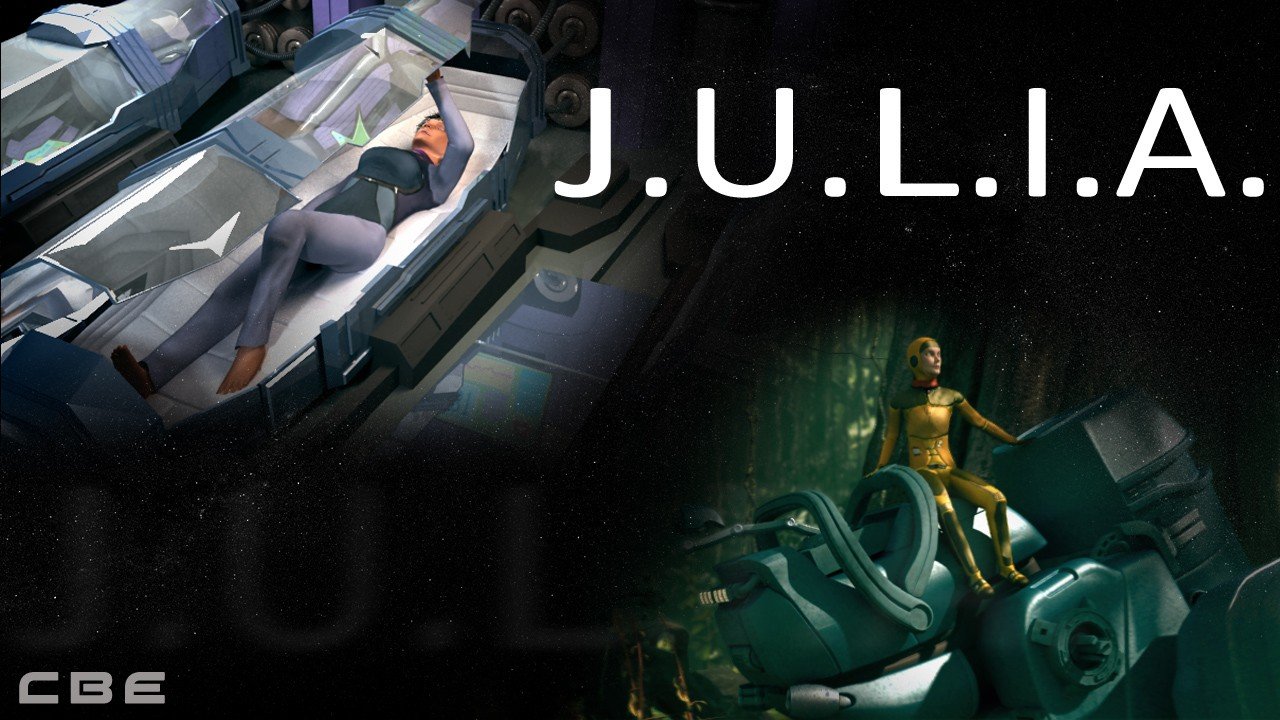
While listing all the names which have influenced me would be an almost impossible task, I have to say that I always loved the work of Clifford Donald Simak and I guess it shows in J.U.L.I.A. as well as in the Destinies story. While both games are sci-fi themed, the technology is not the main point. My games will always be about “chamber” personal stories rather than some overly-constructed alternate universes with their epic story proportions.
[b]AG[/b]: Genre isn’t the only thing that’s changed since Ghosts in the Sheet, as J.U.L.I.A. is a pretty major departure from tradition in terms of format, approach, gameplay, etc. as well. What inspired that decision?
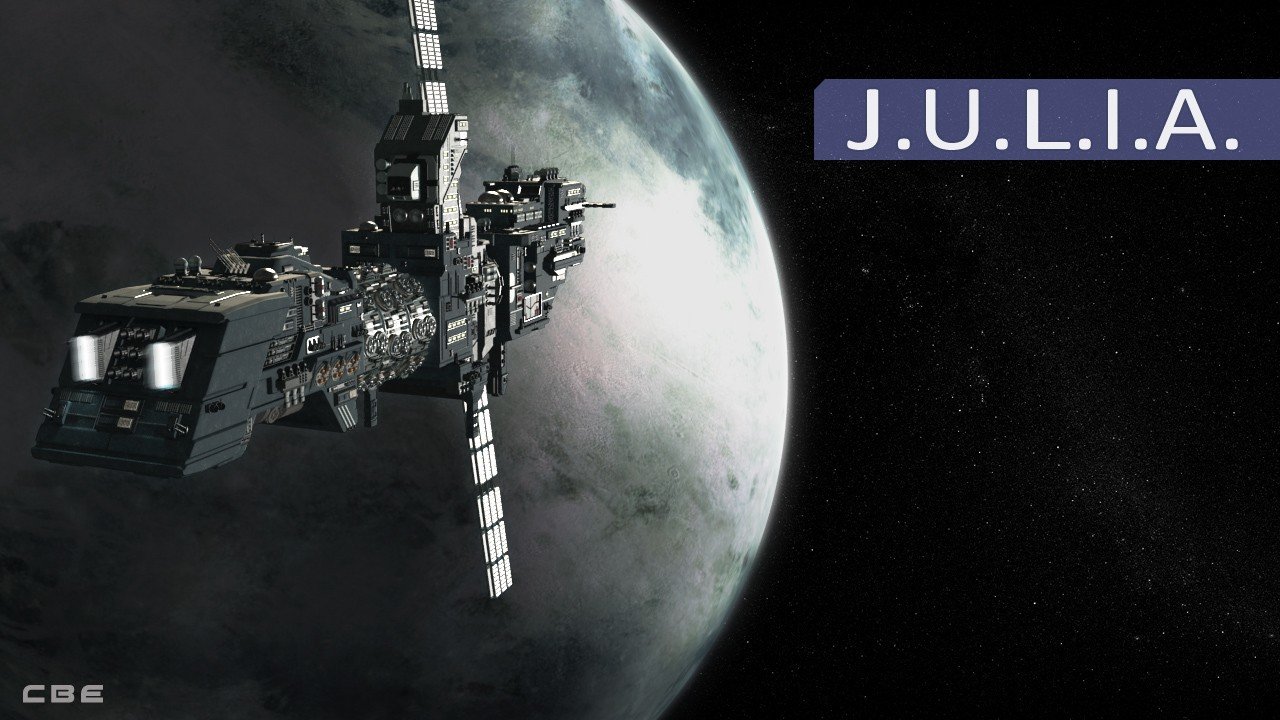
[b]Jan[/b]: I think it’s fair to say that you’ve actually played “J.U.L.I.A. 2”. More than two years ago we had “J.U.L.I.A. 1” finished, but we played through it and found out that it wasn’t a good game at all. So we threw literally everything into the dumpster and started from scratch. Nonetheless, by doing that early version of the game, I found the format I wanted to have for this kind of game.
Generally I don’t design a game by telling myself “I need to do a point-and-click adventure game”, but rather I ask myself if the gameplay will be fun and if it matches the story I want to tell. By iterating and fine-tuning the principles, I was able to come up with this format and approach to the game.
[b]AG[/b]: You’ve seemed reluctant to actually refer to J.U.L.I.A. as an “adventure game”. Are you consciously avoiding that phrase for a reason?
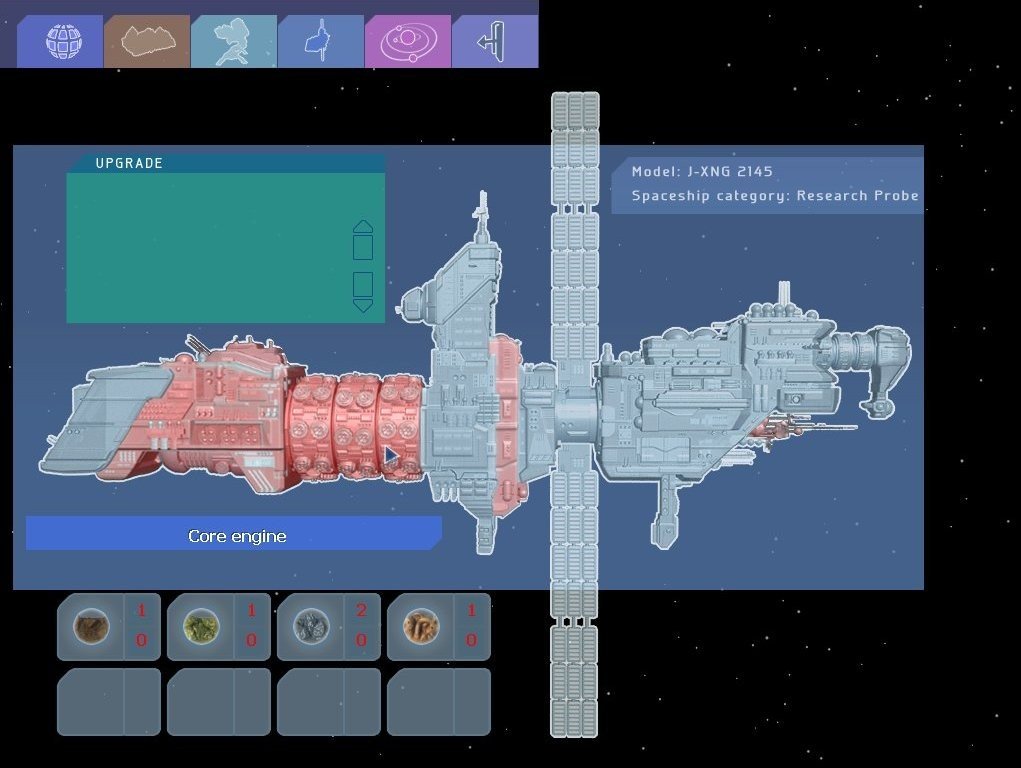
[b]Jan[/b]: The roots of J.U.L.I.A. are for me way older than graphic adventure games. I was a huge fan of IF (Interactive Fiction) games and played lots of them. I was very sad when they became such a niche genre. J.U.L.I.A. was for me a bow to those old IF games I used to play and love. A Mind Forever Voyaging, Trinity or Portal (the innovative interface-based game from 1986 by Ron Swiggart) comes to my mind, just to name a few.
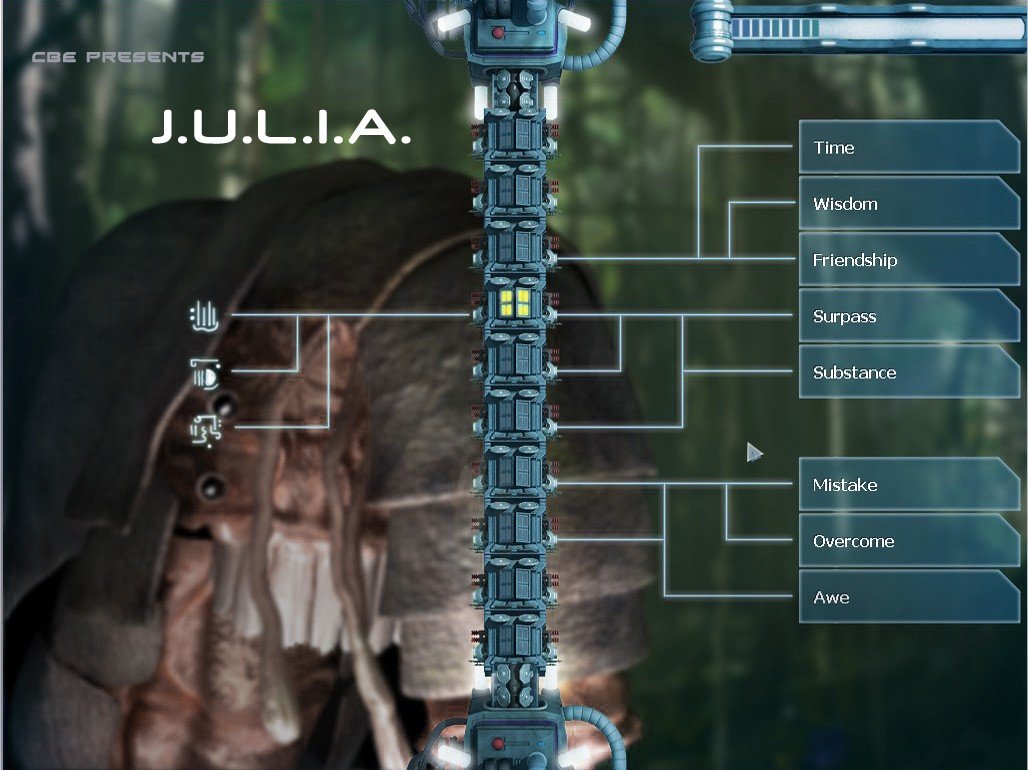
I tried to revive the genre with the inclusion of visuals while maintaining the calm pacing and word-heavy nature of IF games.
Besides, if I call J.U.L.I.A. an adventure game, way too many gamers would immediately pigeonhole it as either 2.5D or a first-person slide show game. It’s neither of those so I’d rather accent the narrative-driven nature and omnipresent logical puzzles.
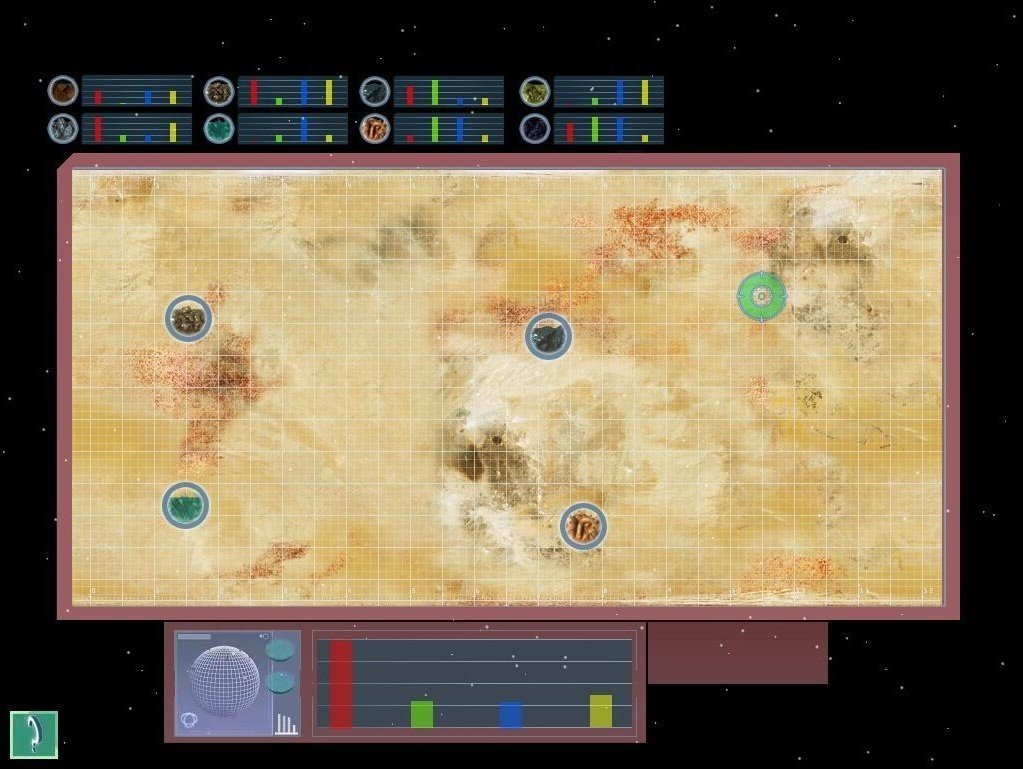
[b]AG[/b]: The IF influence is something I picked up on right away when playing. Were you purposely looking to defy point-and-click convention to be different, or did your approach to J.U.L.I.A. just emerge naturally as you designed it?
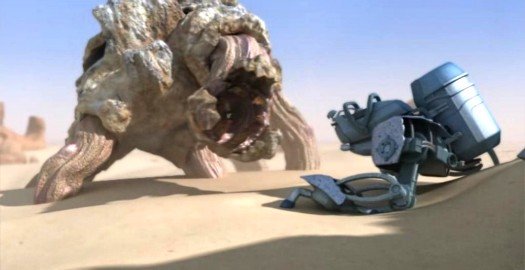
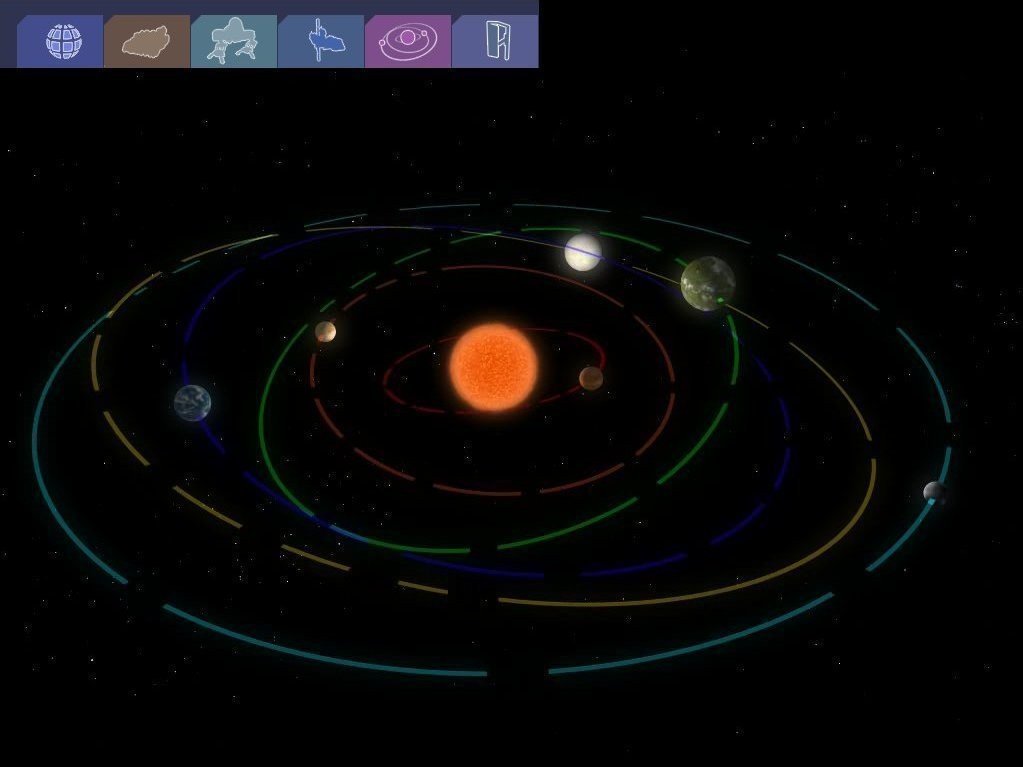
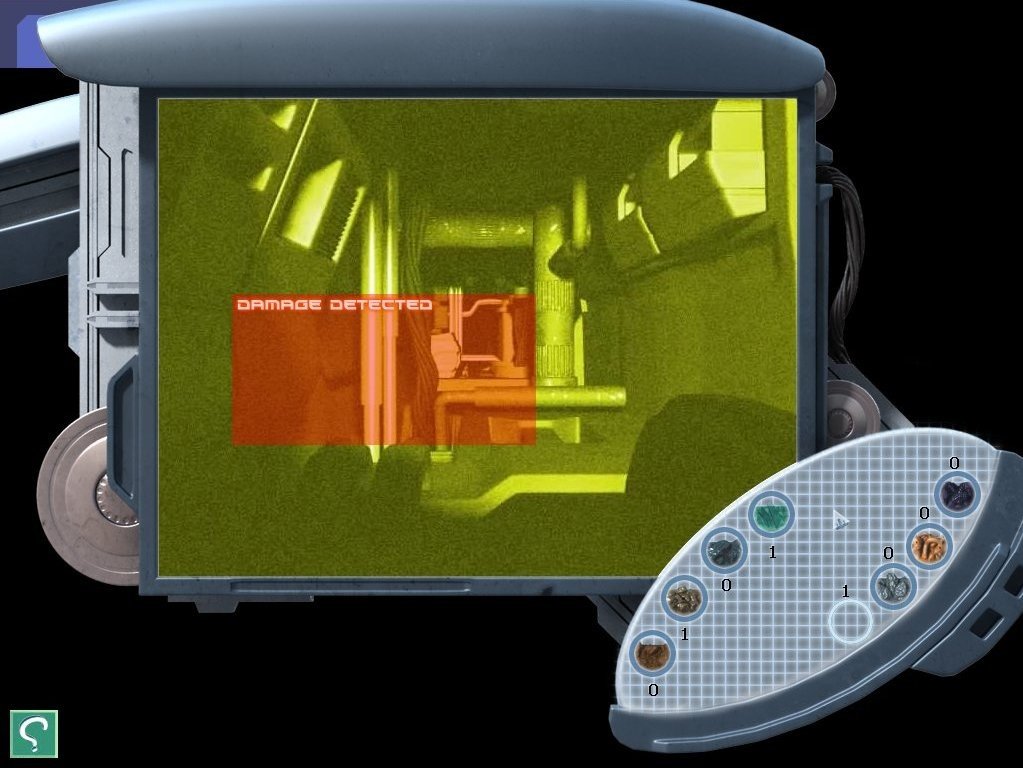
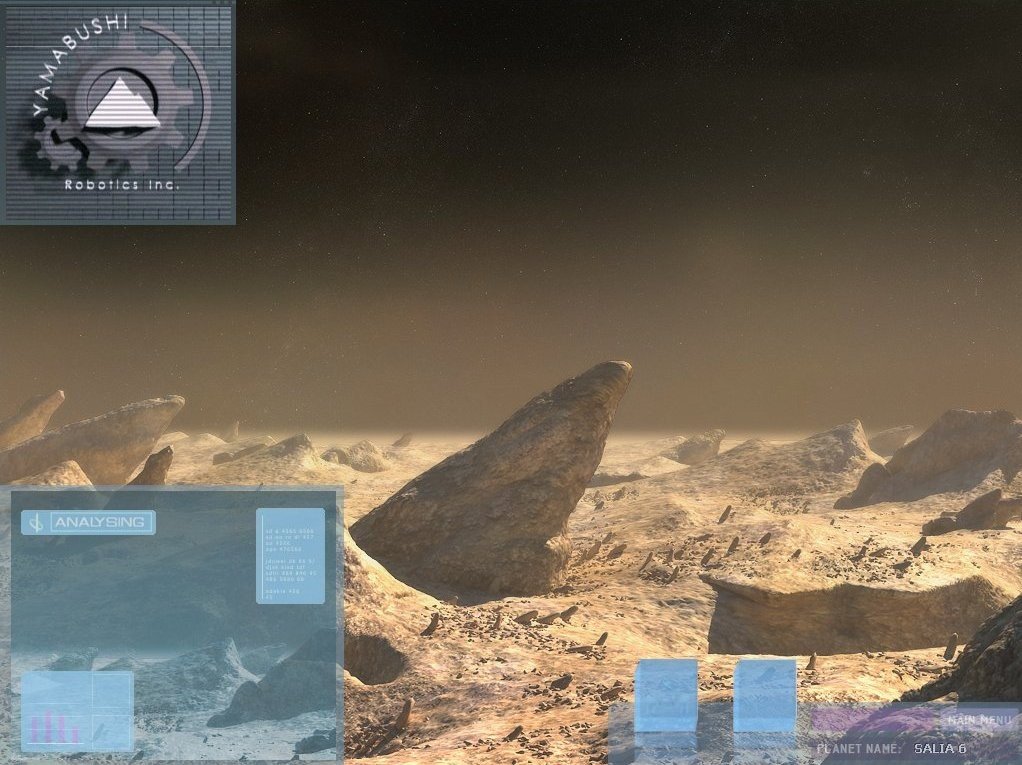
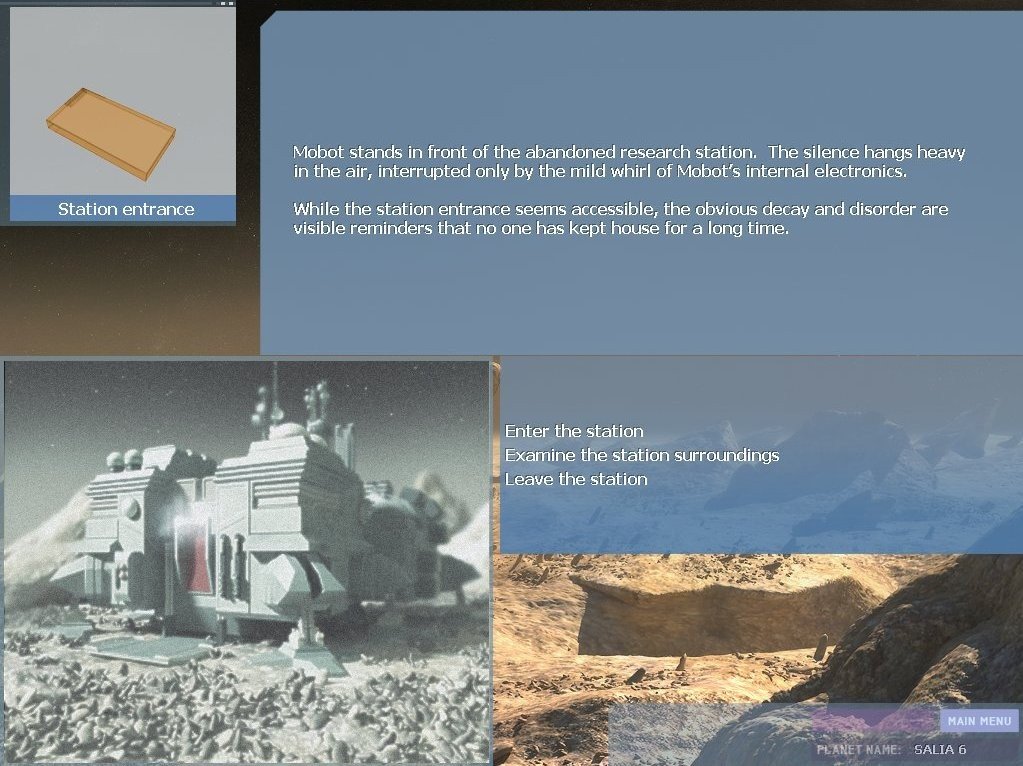
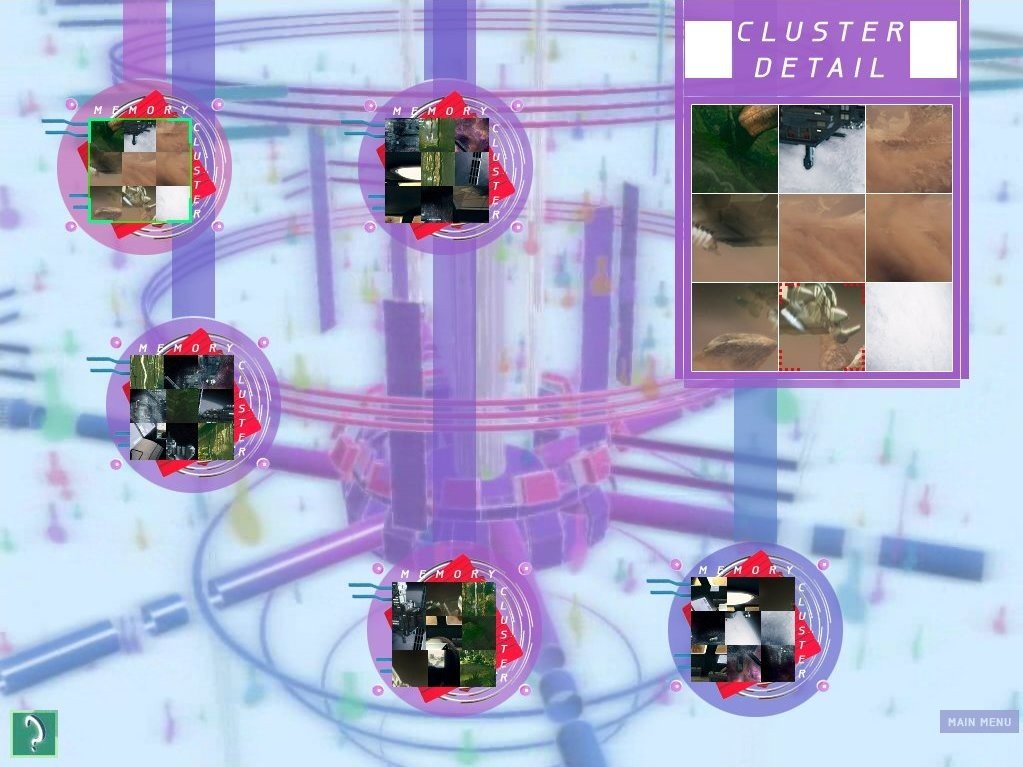
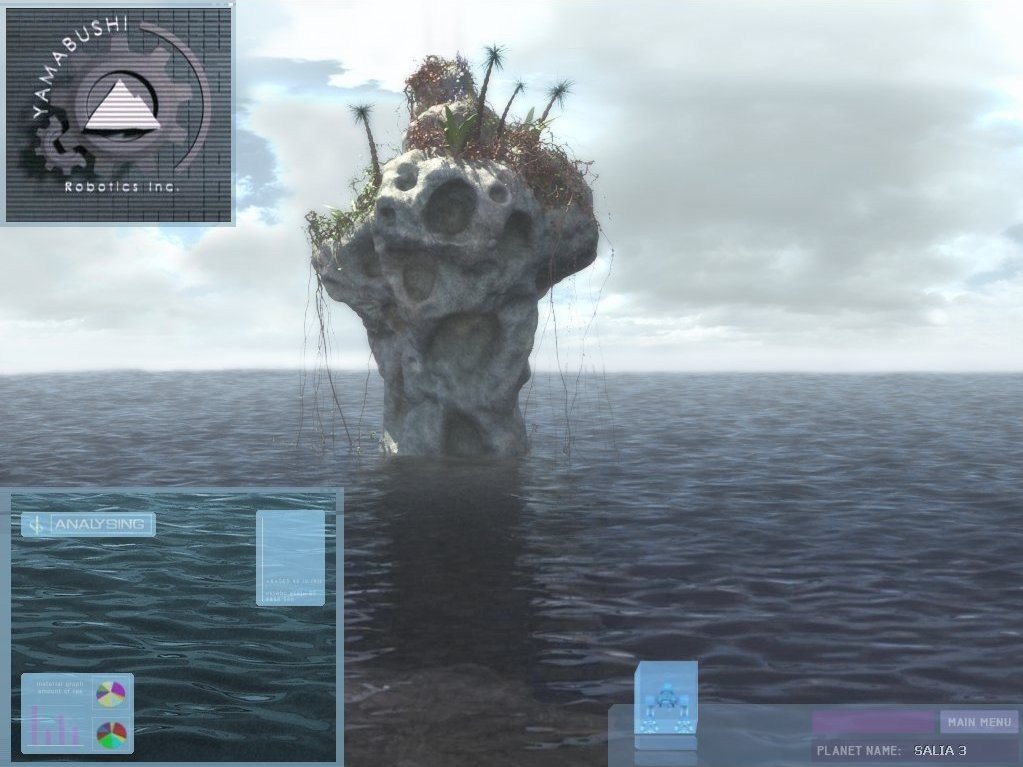
[b]Jan[/b]: If I had a huge budget, J.U.L.I.A. would have all the planets fully explorable in an awesome, effect-packed 3D. You’d have to steer Mobot down to the surface, navigate it around and solve the very same puzzles but in the context of a living, breathing place. Obviously, this was not the case. So I had to decide – do some half-baked 3D which would look bad and drive off players immediately or try to use human imagination as the most potent weapon. I did the latter and here we are again – back to the theme of IF games.
[b]AG[/b]: J.U.L.I.A. seems suited to casual game players in terms of its fairly streamlined approach and puzzle-centric gameplay, and yet this game comes with none of the standard casual conveniences. Aren’t you limiting your potential audience by not making the game a bit more accessible?
[b]Jan[/b]: This was one of the more difficult decisions. The main point which tipped the scales in favor of not doing so was that having a logical game and offering puzzle skips and hint systems could turn the game into a clickable “YouTube” video. Certainly there will be walkthroughs available but from my experience, as soon as you build a hint system, players will use it immediately when they’re stuck because they want to get on with the story. Eventually this creates those “too short – I finished the game in less than 35 minutes” complaints.
So even though I was responsible for the hint system in the later Carol Reed games and it would have been super easy for me to implement one in J.U.L.I.A., I decided I wanted to keep that old school aura the game has now.
[b]AG[/b]: This game is almost entirely a two-man production between you and Lukáš Medek, which is pretty remarkable. What are the biggest challenges you face in doing everything yourselves?
[b]Jan[/b]: Splitting time for work, game development, families and keeping our sanity intact. 😀
[b]AG[/b]: Is this a full time job for you both, or do you try to fit in development time between work that actually puts food on the table?
[b]Jan[/b]: For me it’s night work. I am regularly employed and have to pay the family bills. Lukáš is still studying so his condition is slightly better. We currently operate on my “kitchen budget”, which means that I pay the bills for everything J.U.L.I.A.-related. This gives me the freedom to come out with the game when I see fit since I don’t owe any money to anyone else.
And fortunately I have a very supportive family which tolerates my whims. For now, that is… 🙂
[b]AG[/b]: Your background is in music, correct? How did you come to be involved in making games?
[b]Jan[/b]: That’s correct. I studied cello at the Conservatory and later pursued my musical studies at JAMU (Janacek’s Academy of Performing Arts) as a composer. However, my first video game was for C64 and I made it when I was 15 or so. Back then I knew more about C64 then I’ll ever know about current generation PC’s. I was very fluent in assembler and later continued with Pascal, C, C++, C# and other languages.
The main driving vehicle for learning how to program was the burning desire to create computer games. Looking back, it’s a long-lasting obsession which paid off since I can now make my living as a programmer.
[b]AG[/b]: Given your penchant for diversity, can we expect a musical comedy from CBE next?
[b]Jan[/b]: You’ve almost hit the nail on the head. Some time ago we teamed up with a great L.A. based composer, Martin Herman, who has an incredible idea for a game, which in my opinion may shift the general view of what an adventure game actually is and how it interacts with a player. Without disclosing anything, we’re really excited about this project and it goes without saying that the music and sound will play a major if not critical role there. It will be very far from a comedy though.
However, this game requires switching to a brand new technology. We’ve found out that we’re not ready for that and right now we’re pursuing two new small scale games. One has been outlined in this interview already; the other will be announced during the next year.
And there is always Destinies. We never gave up on the game and if we one day get funding for a decent team, it’ll be our priority. Way too much work went into that game.
[b]AG[/b]: In the meantime, when can we expect to see J.U.L.I.A. released publicly, and where should we look to buy it once it’s launched?
[b]Jan[/b]: Generally, we’re targeting Q3 or Q4 release. We are certainly hoping that after Gamescom, we can be much more concrete. For now, please watch our site for the news.
[b]AG[/b]: Glad to hear it’s soon, because I really believe people are going to be impressed. Jan, thanks so much taking a few moments out of crunch time to chat with us… Now back to work!
Latest Gaming Articles
All Articles