


What’s the difference between interactive fiction and visual novels?

Two of the most popular casual gaming genres are visual novels and interactive fiction. These unique niches focus less on intense gameplay and mechanics, instead emphasizing compelling characters and engaging narratives.
Spotting the differences between interactive fiction and visual novels can be tricky at first glance, though. Here’s Adventure Gamer’s full breakdown of the differences between visual novels and interactive fiction to help you enjoy both genres.
Are visual novels the same as interactive fiction?

The term interactive fiction usually refers to a game that relies on telling a story mainly through text, placing an emphasis on player choice and branching narrative paths. It can also refer to a choose-your-own-adventure book.
Also referred to as IF by fans, interactive fiction games typically feature minimal artwork or static slides between text segments, relying on words as the primary vehicle for evoking imagery. Classic IF games will tell a few sentences of a story, then let the player type a response to determine what happens next.
In a classic interactive fiction game, players will need to investigate the world around them, find items, and figure out how to proceed. Most IF games – particularly older titles – are quite challenging, providing minimal hints for players.
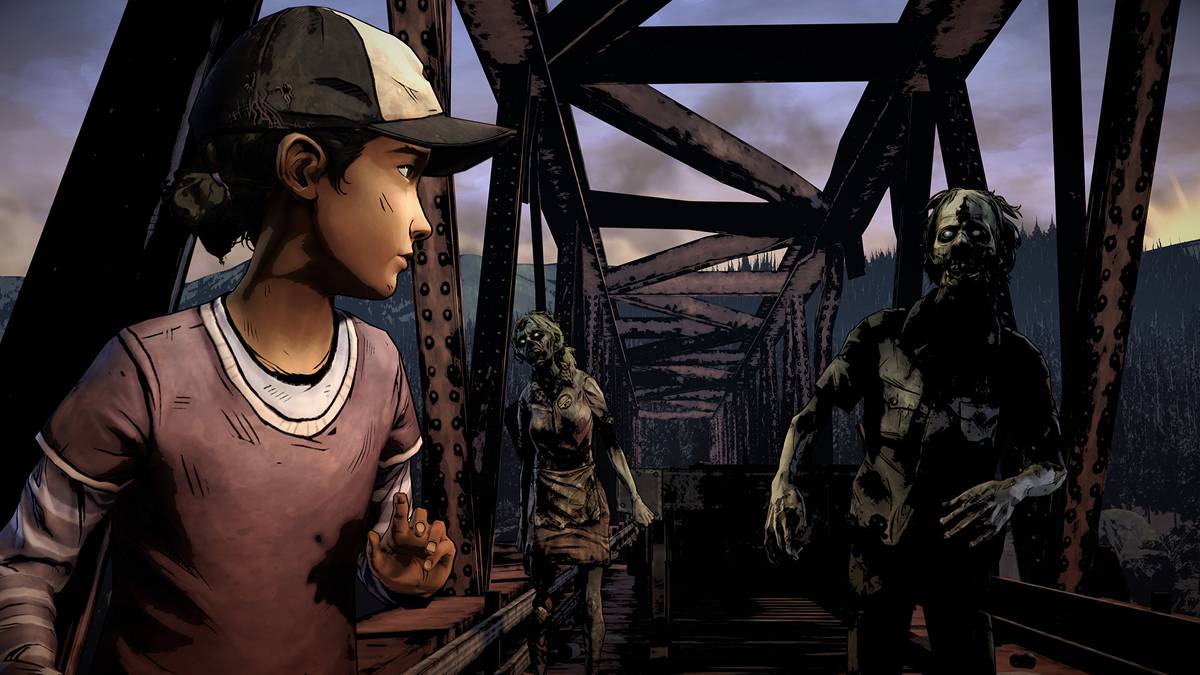
In contrast, visual novels use comic or manga-style slides to accompany a story, with some using animated scenes. A visual novel can incorporate other genre elements, like puzzles or exploration sequences, directly engaging the player through methods outside of plain text and dialogue.
Visual novels are a type of interactive fiction, but interactive fiction does not necessarily have to be a visual novel. There’s a lot of crossover between the two, with some fans arguing that an IF game cannot include puzzles, as this would make it a text RPG or adventure game instead.
Where did visual novels and interactive fiction originate?
Interactive fiction is thought to have originated in the 70s, with text-based RPGs like Zork and Adventure or Colossal Cave Adventure being heralded as some of the most iconic games in the IF genre.
IF can arguably be traced back even further, though, with software programs like ELIZA, a pattern-matching language processing program. ELIZA was created in the mid-60s by Joseph Weizenbaum, acting as a digital therapist of sorts.
ELIZA would repeat a person’s questions back to them by rephrasing them and focusing on key words to give the impression of empathy and listening. For example, a user may say, “I’m stressed today,” and ELIZA may reply, “I hear you’re stressed today. Why do you think that is?”
While ELIZA was not created to conjure up fantastical worlds, this type of program arguably forms the foundation for the IF niche, showing a call-and-response style of narrative.
In contrast, visual novels originated in Japan, with the most widely known example being The Portopia Serial Murder Case, released for the NEC-PC 6001 in 1983. Visual novels like Portopia took inspiration from classic adventure games and aimed to tell stories of a similar scale, with the genre picking up steam in the 1990s.
Can visual novels incorporate other genre elements?
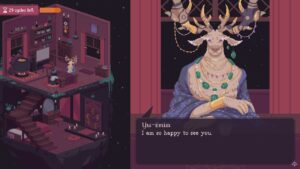
Yes, visual novels can – and often do – incorporate features from other game genres. Arguably, the best visual novels are those that enhance their core narrative with puzzles, exploration sequences, or deck-building elements.
A great example of this is The Cosmic Wheel Sisterhood. While some may consider it to fall outside of the traditional visual novel definition, its core gameplay loop focuses on telling a story with beautiful visuals, enhanced with a deck-building mechanic, simple puzzles, and detailed character interactions.
It’s one of the best visual novels on Switch for fans of cozy and melancholic stories – but be warned, it has some sad and gritty moments.
In contrast to this, interactive fiction often sticks to telling stories that fall into the adventure, mystery, or horror categories.
What are the best visual novels to play?

If you’re looking for the best visual novels of all time, we’ve got a full list of the best visual novels, including some of the most influential titles of the genre like CLANNAD and STEINS;GATE.
Alongside more modern titles like Eliza, these games have had a monumental impact on the world of visual novels, highlighting how effective and emotional a game can be without needing complicated mechanics.
Other exceptional examples of visual novels to pick up and play include Scarlet Hollow, Slay the Princess, and If Found. You’ll notice while browsing the Steam visual novels tab that most of the games on the platform are either horror or romance novels, with a handful of adventure and mystery titles thrown into the mix.
The difference between interactive fiction and visual novels is often murky, with some games falling into both categories. Generally, IF games are text-based with an emphasis on storytelling, while visual novels are much more image-based and can often incorporate mechanics from different genres.
FAQs
What is a visual novel?
A visual novel is a type of narrative-driven, interactive fiction game that focuses on crafting a vivid world and getting the player to interact with it.
What are the best visual novels on Xbox?
The best Xbox visual novels include the Phoenix Wright: Ace Attorney Trilogy, Danganronpa: Trigger Happy Havoc, and Doki Doki Literature Club Plus.
Do visual novels count as books?
While some are likely to disagree with this due to visual novels being a type of video game, playing a visual novel title could be equated to reading a graphic novel or manga book. The stories told in VN games can be just as mesmerizing and rich as standard books.
What’s the best visual novel maker?
The best visual novel maker is widely considered to be Ren’Py or Godot.
What is interactive fiction?
Interactive fiction is a game genre that relies on telling a text-based story that the player can interact with, offering plenty of freedom and branching narrative paths. Generally, IF games don’t rely on images much, with some key titles being exclusively text-based.
Are there free visual novels?
Yes, there are some free VN games like the original Doki Doki Literature Club that can be played on Steam without requiring any purchases.
Latest Gaming Articles
All Articles