



Eye on iOS: Volume 3

Return to Mysterious Island and Secrets of the Mysterious Island
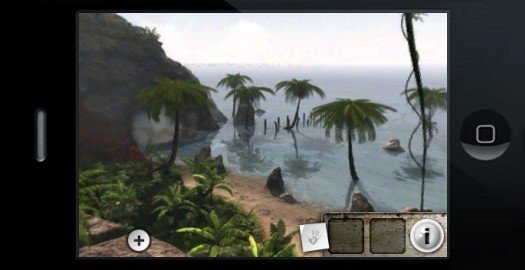
Inspired by the novels of Jules Verne, these games are set on the tropical island where Captain Nemo died, and his famed Nautilus ship plays a significant role in their stories. In Return to Mysterious Island, a lone shipwrecked sailor named Mina washes up on shore and must fight for survival while attempting to securing her rescue. In Secrets of the Mysterious Island (also known as Return to Mysterious Island 2: Mina’s Fate), when Mina’s rescue is botched, she and her simian companion, Jep, continue to unravel the island’s enigmas. Both the original game and its sequel sell for $2.99 and the first has a free demo. (When you go looking for these games in the App Store, you might also come across a free app named Return to Mysterious Island 2 iPhone Extension. This is a supplement to the PC game, not a demo for either of these ports.)
I played the Return to Mysterious Island demo, which includes Mina’s first few tasks after arriving on the island, and an early portion of the sequel that included both Jep and Mina as playable characters. These games are the most complex of the Kheops bunch, thanks to their amazing amount of inventory item collection and combination. This makes the inventory itself an integral part of the game.
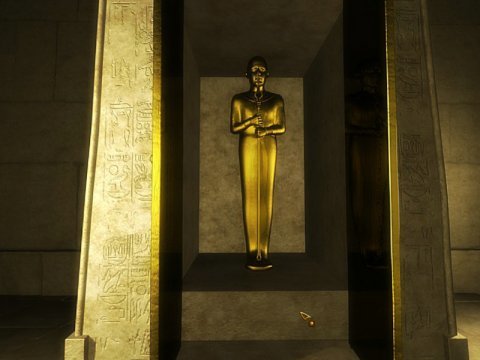
Fortunately, Return to Mysterious Island has a helpful tutorial with step-by-step instructions on how to use each part of the inventory. Secrets of the Mysterious Island’s tutorial is much more abbreviated: one static screen that displays the first time you control Jep or Mina, with brief explanations of how each character can use the inventory’s functions. This single screen—presented before you’ve even picked up a single item—doesn’t provide quite enough context, and there’s no way to refer to it again later on. If you play the games in order you’ll already know the ropes, but if you choose to start with the sequel, figuring out the inventory will be part of the game’s challenge.
Each Mysterious Island game includes links to an online walkthrough, which is helpful but once again executed better in the first game. Return to Mysterious Island’s walkthrough can be pulled up at any time while playing, while in Secrets of the Mysterious Island the walkthrough can only be accessed from the main menu, and you need to be online to use it (it appears in a separate Safari window, automatically minimizing the game). Oddly, this walkthrough is also incomplete, only including the steps for solving the first few puzzles. In both games, the same permanent help options available in Dracula and Egypt are offered here, as is the compass option that has no obvious purpose (it’s actually grayed out in the menus, so I couldn’t even select it to give it a try).
Rather than prerendered cinematics, the Mysterious Island games have mostly comic-book style cutscenes made up of still graphics. These are a bit more stylized and visually appealing in the second game than the first. In both, the island’s scenery is bright and beautiful; in fact, of all the Kheops games I checked out for iOS, these were my favorites visually. Though the games again take place in a large world, the locations are more distinct, with landmarks that help with navigation. The Mysterious Island games are voice acted, and you can tap to skip Mina’s lines. I didn’t encounter other human characters in the segments I played, so I can’t comment on the dialogue system. The game saves automatically as Mina makes her way to different areas of the island and when you exit the game.
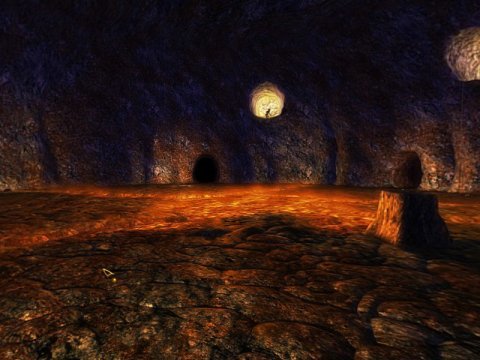
I enjoyed my time with these games and recommend them to adventure fans. Return to Mysterious Island seems more polished on iOS so I’d start there, then move on to Secrets of the Mysterious Island if you need another fix. For more details, take a look at Adventure Gamers’ reviews of Return to Mysterious Island and its sequel on PC.
Shadow’s Call
Evan Dickens
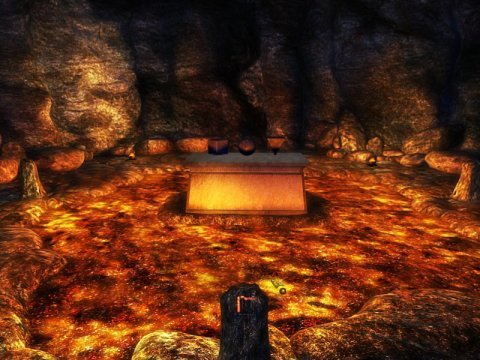
If you’re looking for a “dark urban fantasy” adventure with significant spiritual overtones for your iOS device, Imba Entertainment’s Shadow’s Call may be just what the witch doctor ordered. The game puts you in the persona of Arielle Corvus, a young girl with the gift—or curse—of communicating with spirits, demons, and other other-worldly beings. She uses these abilities as a paranormal investigator, in between her day job of operating a rare bookstore. Unlike a certain other supernatural-focused book store-owning adventure hero, however, Arielle is a spunky little girl with the communication style of an addled teenager. When a fallen angel shows up needing a freeing spell in Arielle’s living room, the dark secrets of a college campus murder begin to come into focus—and I do mean “begin,” as this prologue chapter ends quickly with simply a teaser of the story that is to come.
Shadow’s Call controls as a traditional point-and-tap adventure with a classic Full Throttle-style interface (except with a voodoo doll instead of a skull). This debut chapter has some introductory inventory puzzles, but contains really only one puzzle of substance that makes nifty use of the touch screen to complete an “unbinding” spell. There are only four locations offered here, but the art direction is bright and detailed and the animated sequences look outstanding.
The music is suitably creepy and minimalist, and the game has full voice acting. This episode introduces a couple supporting characters through brief conversations that are clearly setting the stage for bigger things in the future. The dialogue has an uneven tone, and this game is not for the spiritually faint of heart, with its constant and heavy emphasis on supernatural beings. It’s a promising start, however, so it’s a shame there isn’t more substance to it, even at its affordable $1.99 price point. Currently only the prologue is available, and I’m inclined to recommend waiting until Chapter 2 shows proof of life… or afterlife.

Save Our Souls
Evan Dickens
French developer Medigames is a new studio focusing on games that integrate serious components of medicine and health with fictional stories. Save Our Souls, their first major project, is an episodic iOS adventure following the journey of a rookie paramedic who is still trying to recover from his dark past—a tragic accident that has left his girlfriend in a coma and turned his focus toward helping others.
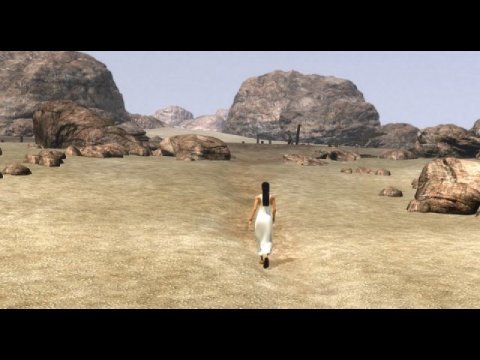
It’s an interesting framework, and the first episode is completely free, but unfortunately it indicates a lot of work left to do. For one thing, the broken translation to English is nearly incomprehensible (and not even always present, as some actions still prompt a French response), and even if the words make sense, the puzzle solutions still seem a bit confusing. Certain dialogue response options require unnatural events to cue them, and the game uses way too many keys as inventory items for its brief length.
Save Our Souls makes use of a traditional point-and-tap interface, whereby tapping a selectable item brings up a list of actions you can perform. Even in the brief opening episode, which takes you on your first mission to save a man who has nearly drowned in a run-down hotel bathroom, there are quite a few inventory items to gather and use. The game looks decent, with some nifty in-game animations and an intriguing introduction, and seems competent at creating atmosphere—until the actual words start appearing.
A second episode is available now as a purchase only through the free first episode app, but until there’s some evidence that Medigames has enlisted the services of a good translator and puzzle designer, I’d have to recommend that we all save our money.
Latest Gaming Articles
All Articles